
Economy & Policy
DRC Mineral War Reshapes Global Banking Risk
Banks are expanding commodity trade finance and cross-border payment solutions. However, rising instability is forcing lenders to adopt cautious, risk-weighted strategies.

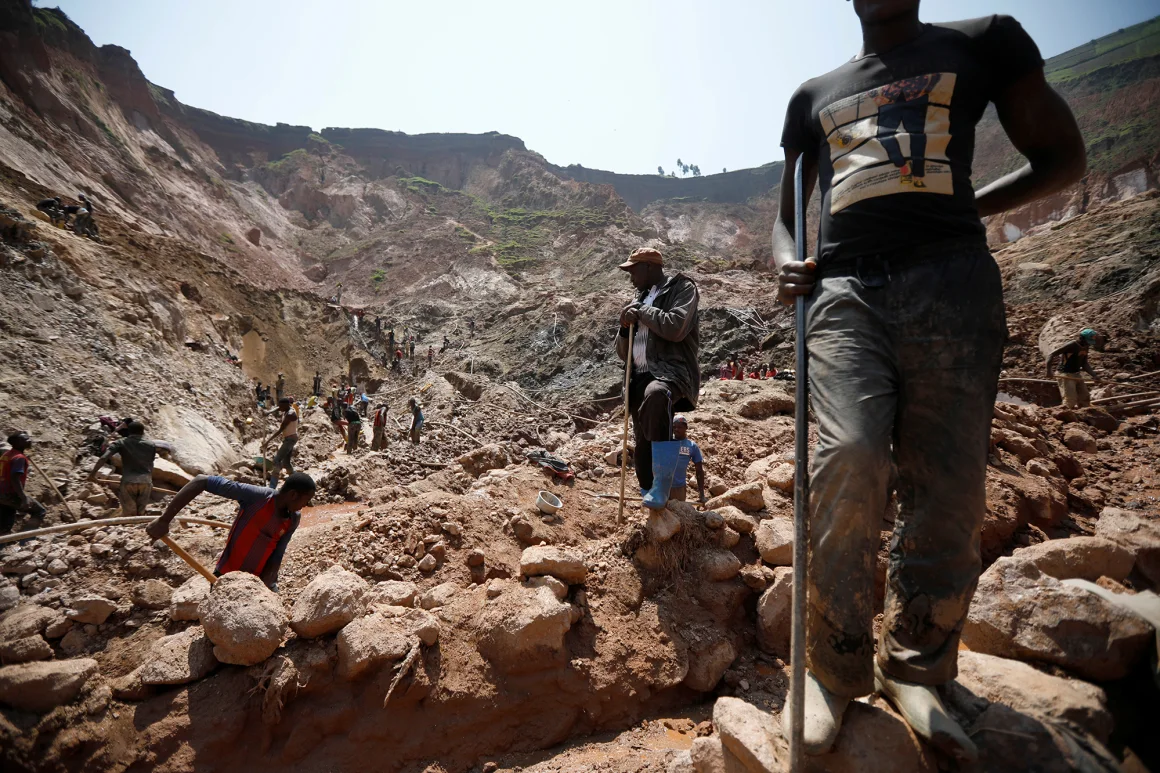
DRC Mineral War Reshape
DR Congo’s cobalt dominance fuels global EV supply chains but exposes banks to high-risk lending, trade finance and geopolitical volatility.
DR Congo’s Mineral Wealth: Banking on Risk in a Global Resource War
A Resource Superpower Driving the Energy Transition
The Democratic Republic of the Congo has emerged as one of the most strategically important economies in the world—not because of its financial system, but because of what lies beneath its soil.
According to widely cited global mining data, the DRC accounts for over 70% of global cobalt production, a mineral essential to lithium-ion batteries used in electric vehicles (EVs), smartphones, and renewable energy storage systems. As the global push toward decarbonization accelerates, cobalt has become a critical input in the energy transition, placing the DRC at the center of a multi-trillion-dollar industrial shift.
This dominance has drawn intense attention from global powers, including the United States and China, both seeking to secure stable supply chains for future-facing technologies.
Conflict and Capital: The Rise of a Mineral War Economy
In April 2026, renewed instability in eastern Democratic Republic of the Congo has underscored a long-standing reality: resource wealth and conflict remain deeply intertwined.
Mineral-rich regions in North Kivu and Ituri have become focal points for:
- Armed groups seeking control over mining zones
- Informal extraction networks
- Cross-border smuggling routes
This has created what analysts increasingly describe as a “mineral war economy”, where control over cobalt, coltan, and copper directly translates into financial and geopolitical power.
A senior Africa analyst at the International Crisis Group noted in a recent briefing:
“Control of mineral corridors in eastern Congo is no longer just a local security issue—it is tied to global supply chains and strategic competition.”
Banking Opportunity: Commodity Finance at Scale
Despite the instability, the DRC’s mineral sector represents a massive financial opportunity for banks.
Trade Finance Dominance
Commodity exports require sophisticated financing structures, including:
- Pre-export financing secured against future mineral deliveries
- Letters of credit issued to international buyers
- Structured trade finance involving multiple jurisdictions
Banks operating in this space are effectively underwriting the global flow of critical minerals, linking mining companies to international markets.
FX Flows and Payment Infrastructure
Cobalt and copper exports generate substantial foreign exchange inflows. This creates demand for:
- Cross-border payments
- Currency hedging instruments
- Liquidity management services
Regional financial hubs such as Nairobi are increasingly acting as intermediaries, processing transactions tied to Congolese exports even when operations remain on the ground in the DRC.
The Constraint: Risk Defines the Market
While the opportunity is immense, the banking environment in the DRC is shaped by persistent and layered risk.
Elevated Lending Caution
Banks face a complex risk matrix:
- Security disruptions affecting mining operations
- Weak contract enforcement frameworks
- Regulatory unpredictability
As a result, lending is typically:
- Highly collateralized
- Priced at a premium
- Limited to experienced operators
Structured Finance Becomes the Norm
Traditional lending models struggle in such environments. Instead, financing is increasingly:
- Structured around specific projects
- Syndicated across multiple lenders
- Backed by commodity flows
This approach allows banks to spread risk while maintaining exposure to high-value transactions.
DFIs: The Backbone of Capital Flows
Development finance institutions (DFIs) play a critical role in unlocking capital. Organizations such as the African Development Bank and the International Finance Corporation provide:
- Political risk guarantees
- Credit enhancement
- Anchor funding
Without these institutions, many large-scale projects would struggle to reach financial close.
Regional Spillovers: East Africa’s Quiet Exposure
The DRC’s mineral economy is deeply connected to East Africa’s financial and trade systems.
Countries such as Kenya, Uganda, and Rwanda play critical roles in:
- Transport corridors linking mines to ports
- Trade finance intermediation
- Banking services for cross-border transactions
Kenyan lenders, in particular, are positioning themselves to capture value through:
- Regional subsidiaries
- Trade finance platforms
- FX intermediation
However, instability in eastern DRC introduces volatility into these networks, increasing:
- Insurance costs
- Transaction risk
- Operational delays
Global Stakes: Energy Transition Meets Fragility
The DRC represents a defining contradiction of the global energy transition.
On one hand:
- It is indispensable to EV battery production
- It underpins global decarbonization strategies
On the other:
- It remains one of the most fragile operating environments for investors
This duality creates a high-risk, high-reward frontier, where returns are driven by global demand, but constrained by local realities.
Strategic Takeaways
- Cobalt Dominance: The DRC’s control of over 70% of global supply makes it central to future industries
- Banking Opportunity: Trade finance, FX flows, and structured lending remain key entry points
- Risk Constraint: Political instability limits traditional banking expansion
- DFI Dependence: Multilateral institutions are essential for capital flow
- Regional Integration: East African banks are increasingly tied to DRC’s mineral economy
Bottom Line: Wealth Without Stability
The Democratic Republic of the Congo stands at the crossroads of immense resource wealth and persistent instability.
For global banks and investors, the equation is clear:
👉 The DRC offers unmatched exposure to the future of energy and technology
👉 But accessing that opportunity requires navigating one of the most complex risk environments in global finance
As demand for critical minerals accelerates, the pressure on the DRC’s financial systems—and the institutions that support them—will only intensify.









Economy & Policy
Kenya PMI Shock Rattles East Africa Markets
Tighter liquidity and weaker demand are beginning to ripple through the banking sector. Lenders are expected to respond with stricter credit conditions.
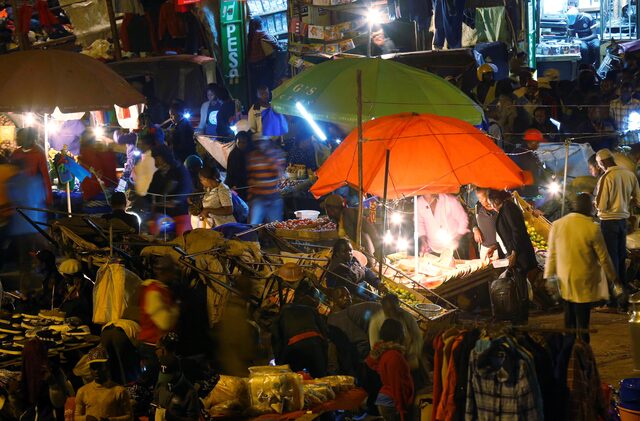
Kenya’s PMI drops below 50, signaling contraction and triggering credit, trade, and banking ripple effects across East Africa.
Kenya’s PMI Shock Sends Global Warning Signals Across East Africa
A Sudden Contraction That Caught Global Markets’ Attention
A sharp deterioration in Kenya’s private sector activity has triggered fresh concern among global investors, after the latest Purchasing Managers’ Index (PMI) compiled by Stanbic Bank Kenya dropped to 47.7 in March 2026, down from 50.4 in February.
The reading—widely tracked by global financial institutions and reported by international wires such as Reuters—marks the first contraction in business activity since August 2025, abruptly ending a period of fragile recovery in East Africa’s largest economy.
In PMI terms, the implications are unambiguous: any reading below 50 signals contraction, placing Kenya back into a zone that global markets interpret as a slowdown in output, demand, and private sector confidence.
Why the PMI Matters Far Beyond Kenya
The PMI is not just another economic statistic—it is a forward-looking indicator used by:
- Global asset managers allocating frontier market capital
- Multinational corporations assessing expansion risk
- Sovereign credit analysts evaluating debt sustainability
For Kenya, the stakes are even higher. As East Africa’s financial and logistics hub, its economic trajectory often acts as a proxy for regional performance, influencing capital flows into neighboring economies such as Uganda, Tanzania, Rwanda and the resource-rich Democratic Republic of the Congo.
A contraction in Kenya therefore carries systemic implications, particularly in a region where cross-border banking, trade finance, and supply chains are deeply interconnected.
Inside the Slowdown: Demand, Liquidity and Cost Pressures
The underlying drivers of the downturn point to a broad-based weakening of economic momentum, rather than a sector-specific shock.
1. Weak Consumer Demand
Businesses reported a noticeable decline in new orders, reflecting:
- Reduced household purchasing power
- Cautious spending patterns
- Slower retail and services activity
This aligns with broader concerns about income pressure and cost-of-living constraints, which continue to weigh on consumption.
2. Liquidity Constraints in the Financial System
A tightening in cash circulation has begun to ripple through the private sector:
- Businesses facing delays in payments
- Reduced access to working capital
- Slower inventory turnover
For banks, this creates a dual pressure environment—weaker loan demand on one side and rising credit risk on the other.
3. Rising Input Costs Linked to Global Tensions
Geopolitical instability, particularly in the Middle East, has driven:
- Higher fuel prices
- Increased shipping costs
- Elevated import bills
These pressures have translated into higher operating costs for Kenyan firms, squeezing margins and forcing many to scale back production.
4. Supply Chain Disruptions
Logistics challenges—especially around fuel availability and transport efficiency—have compounded the slowdown:
- Delayed deliveries
- Increased distribution costs
- Reduced business confidence
Taken together, these factors paint a picture of an economy facing simultaneous demand and supply shocks.
Stanbic’s Signal: A Broad-Based Decline
According to economists at Stanbic Bank Kenya:
“Output and new orders declined in most sectors.”
This is a critical signal. Rather than being confined to one industry, the contraction appears economy-wide, affecting:
- Manufacturing
- Services
- Wholesale and retail trade
Such breadth increases the likelihood that the slowdown could persist into the second quarter of 2026.
Regional Transmission: Why This Is Not Just a Kenya Story
Kenya’s economic gravity means that shocks within its borders rarely remain contained.
Banking Sector Spillovers
Regional lenders with operations across East Africa—many headquartered in Nairobi—are likely to respond by:
- Tightening credit standards
- Repricing risk across portfolios
- Slowing cross-border lending
This could directly impact businesses in:
- Uganda
- Tanzania
- Rwanda
Trade Corridor Pressure
Kenya serves as the primary gateway for imports and exports into the region via:
- The Port of Mombasa
- Northern Corridor logistics routes
A slowdown in Kenya’s economy risks:
- Reduced cargo volumes
- Slower transit trade
- Higher logistics costs for landlocked neighbors, particularly Uganda and Rwanda
DRC: Emerging Casualty of a Kenyan Slowdown
The Democratic Republic of the Congo—increasingly integrated into East Africa’s financial system—could face:
- Reduced access to trade finance
- Slower mineral export financing
- Delays in infrastructure funding
This is particularly significant given the DRC’s growing role in global supply chains for critical minerals such as cobalt.
What Happens Next: A Tightening Cycle
The PMI contraction is likely to trigger a series of defensive responses across the financial system.
1. Slower Credit Growth
Banks may:
- Reduce loan book expansion
- Focus on high-quality borrowers
- Shift toward risk-averse lending strategies
2. Tighter Lending Conditions
Expect:
- Higher interest rate spreads
- Stricter collateral requirements
- Increased loan restructuring
3. Pressure on Regional Integration Momentum
Ambitious cross-border trade and infrastructure initiatives could face:
- Financing delays
- Lower investor appetite
- Heightened risk premiums
Bottom Line: A Warning Shot for East Africa
Kenya’s PMI drop to 47.7 is more than a routine economic fluctuation—it is a macro-critical signal that the region’s growth engine is losing momentum.
For global investors, the message is clear:
- Short-term risk is rising
- Liquidity conditions are tightening
- Regional contagion is likely
Yet, as history shows, East Africa’s resilience often emerges strongest during periods of stress. The coming months will determine whether this contraction is a temporary shock—or the beginning of a deeper regional slowdown.
Fiscal Policy
Uganda Gold Strategy Bolsters Reserves, 2026
The programme, first announced two years ago, is now being operationalised as gold prices remain elevated. Authorities say timing the rollout now could maximise reserve accumulation and value.

Uganda’s central bank launches domestic gold programme in 2026, diversifying reserves and stabilizing the economy against global shocks.
Uganda Central Bank Launches Strategic Gold Initiative
KAMPALA, March 2, 2026 — Uganda’s central bank is set to begin its domestic gold purchasing programme this month, two years after announcing the initiative in 2024. The move aims to diversify reserves, strengthen the economy against currency volatility, and reduce reliance on foreign debt.
Governor Michael Atingi-Ego said in a statement to Reuters, “Purchasing domestic gold provides an alternative asset that helps diversify reserves and protect the economy from external shocks, particularly currency fluctuations and commodity price volatility.”
The programme underscores Uganda’s strategic macroeconomic planning, aligning monetary policy with domestic sector development while signaling proactive fiscal stewardship to investors.
Rising Gold Prices Drive Policy Timing
The launch comes amid a global surge in gold prices, driven by geopolitical tensions, rising inflation in the United States and Europe, and central banks across emerging markets expanding bullion holdings. Analysts at Standard Chartered note that frontier markets integrating gold into reserves can enhance sovereign credibility and mitigate balance-of-payments pressures.
“Countries that incorporate domestic gold into reserves send a strong signal to investors about prudent macroeconomic management,” said Dr. Daniel Altman, economist and founder of the High Yield Economics newsletter, on March 3, 2026. “It’s both a protective measure and a strategic message to global capital.”
Domestic Gold Sector and Policy Impact
Uganda produces roughly 20 metric tons of gold annually, mainly from artisanal and small-scale miners. By acting as a stable buyer, the central bank intends to formalize the sector, improve compliance, and provide predictable cash flow for miners.
“This programme aligns with our broader economic objectives, including transparency, regulatory oversight, and financial inclusion of artisanal miners,” Atingi-Ego emphasized. (Uganews.com)
The initiative thus combines macroeconomic risk management with developmental policy, strengthening both the central bank’s balance sheet and the formal mining sector.
Hedging Against External Risks
The gold programme is designed to mitigate several macroeconomic risks:
- Currency Volatility: The Ugandan shilling has faced recurrent pressures from fluctuating export revenues and debt obligations. Gold provides a non-currency hedge.
- Commodity Price Fluctuations: As a non-correlated asset, gold reduces vulnerability to external shocks in oil and agricultural markets.
- Geopolitical Shocks: Rising international tensions affect capital flows; gold reserves act as a stable store of value. (IMF WEO, Oct 2025)
Investors have long favored countries with diversified reserves, which can bolster sovereign credit ratings and increase confidence in frontier-market stability.
Implementation and Market Mechanics
The Bank of Uganda will acquire gold at market rates from licensed dealers and miners, gradually accumulating holdings to avoid distorting domestic prices. Initial purchases may absorb 5–10% of annual production, with the scale adjustable depending on reserve targets and market conditions.
“Phased acquisitions protect both the domestic market and miners while steadily building strategic reserves,” an internal bank source told Reuters on February 28, 2026. (Mining.com)
Regional Significance and Investor Signals
Uganda’s approach aligns with a broader African trend of central banks diversifying reserves with gold. Nigeria, Ghana, and Kenya have implemented similar strategies between 2023–2025. Uganda stands out by directly sourcing gold domestically, strengthening both reserves and sector formalization simultaneously.
According to Standard Chartered analysts, “Integrating domestic production with reserve accumulation signals strong governance and macroprudential foresight, boosting investor confidence in frontier markets.”
Forward-Looking Analysis
Over the next five years, the gold programme could:
- Reduce reliance on external borrowing
- Improve sovereign credit perception
- Attract foreign investment in mining
- Enhance macroeconomic resilience
Dr. Altman added, “Frontier markets that diversify reserves with commodity assets outperform peers in volatile periods. Uganda’s programme positions it as a model for East Africa.”
Risks and Operational Considerations
While strategically sound, the programme faces challenges:
- Ensuring gold purity and liquidity for international conversion
- Integrating artisanal miners without market disruption
- Responding to volatile gold prices that could affect reserve valuation
Careful execution will determine whether the initiative achieves its dual goal of macroeconomic stability and sector formalization.
Conclusion: Strategic Macroprudence
Uganda’s domestic gold programme is more than a reserve diversification exercise — it is a forward-looking macroeconomic strategy. By combining fiscal prudence with domestic market support, the central bank strengthens resilience, reassures investors, and creates a benchmark for intelligent frontier-market policy in East Africa.
Economy & Policy
Rwanda Tops 2026 Investment Attractiveness Index
Emerging markets such as Nigeria, Bulgaria, and Croatia also posted significant gains in the 2026 index. The results underscore the shifting dynamics of global investment destinations and the importance of reform-driven growth.

Rwanda ranks first in 2026 Baseline Profitability Index, surpassing India as Africa’s top investment destination for foreign investors.
Rwanda Surpasses India in 2026 Baseline Profitability Index
Historic Leap for Rwanda
Rwanda has overtaken India as the most attractive destination for foreign direct investment, according to the 2026 Baseline Profitability Index (BPI) published by economist Dr. Daniel Altman. The index, now in its latest edition, evaluates over 100 countries on parameters such as property rights, security, corruption, and exchange rate stability.
Dr. Altman, founder of the High Yield Economics newsletter, noted, “Rwanda’s reforms in governance, fiscal transparency, and ease of doing business have propelled it to the top spot, making it a standout case in Africa.”
BPI Methodology and Relevance
The BPI is unique because it measures the share of proceeds likely to return to the investor’s home country, offering a practical assessment of investment returns with a five-year horizon. Unlike generic economic rankings, the BPI combines legal, financial, and political indicators to produce a single score reflecting real-world profitability potential.
Rwanda’s top BPI score of 1.27 edged out India’s 1.26, while Malaysia (1.24), Botswana (1.22), and Qatar (1.21) rounded out the top five. Other notable entrants included the United Arab Emirates in sixth place.
Winners and Losers
Some of the most significant movers were Nigeria, which climbed from 91st to 65th, and Bulgaria, up from 53rd to 36th. Conversely, Kenya fell from 44th to 68th, highlighting the competitive and volatile nature of investment attractiveness in Sub-Saharan Africa.
Analysts attribute Rwanda’s rise to sustained reforms in taxation, trade facilitation, and anti-corruption measures, as well as strategic foreign partnerships in technology and energy sectors. Meanwhile, Kenya’s decline is partly linked to fiscal pressures, political uncertainty, and regulatory challenges, which may have dampened investor confidence. (baselineprofitabilityindex.com)
Regional Implications
Rwanda’s ascendancy has significant implications for Africa’s investment landscape. By surpassing India and other emerging markets, Rwanda demonstrates that targeted reforms, political stability, and clear property rights frameworks can outweigh traditional size and market scale advantages.
Dr. Altman emphasized, “Small but well-managed economies like Rwanda can outperform larger peers if they consistently implement policies that protect investor interests and enhance transparency.”
Policy and Governance Drivers
Rwanda’s government has systematically invested in infrastructure, digitalisation, and regulatory simplification, creating a conducive environment for foreign firms. The World Bank’s Doing Business Report also highlights Rwanda’s rapid permit approvals and streamlined tax procedures, contributing to its BPI rise.
Furthermore, Kigali’s focus on anti-corruption measures and property rights enforcement ensures that foreign investors can operate with reduced risk, a key determinant in the BPI methodology.
Global Investment Context
Rwanda’s rise comes amid shifting global capital flows. Investors increasingly prioritize governance quality, economic resilience, and risk-adjusted returns, rather than market size alone. This trend explains why countries like Bulgaria and Croatia are also rising in the index, while traditional high-growth economies like Bangladesh and Senegal saw declines.
“Investors are now scrutinizing political stability, regulatory consistency, and macroeconomic prudence before committing capital,” Altman added. (danielaltman.com)
Outlook and Opportunities
The top 20 BPI ranking suggests Africa is gaining competitive traction in global investment flows. Countries such as Rwanda and Botswana are now visible to multinational corporations seeking high-return, low-risk environments.
Rwanda’s performance also sends a signal to other African economies: sustained reform and investor-friendly policies can materially enhance global competitiveness, even for smaller nations.
Conclusion
The 2026 BPI edition reinforces the notion that investor perception, governance, and legal certainty often trump sheer market size in determining profitability. Rwanda’s rise to the top demonstrates that strategic reforms can position a country as a magnet for foreign capital, challenging traditional investment hierarchies.
As global investors scan Africa for reliable returns, Rwanda’s performance provides a benchmark for effective policy implementation, offering lessons for Kenya, Senegal, and other countries aiming to boost their investment appeal.


Afreximbank $10B Fund Shields Africa Economies

Rwanda Fintech Push Redefines Regional Banking

Ethiopia Banking Opening Sparks Regional Race


-

 Commercial Banking5 days ago
Standard Bank Growth Plan Faces Africa Risks
-

 Governance & Ethics3 days ago
Joe Sang: Inside Kenya’s Fuel System Breakdown
-
 Commercial Banking4 days ago
Co‑op Bank’s SACCO Funding Advantage Shines in 2025
-

 Commercial Banking5 days ago
ABSA Kenya FY2025 Profit Soars Amid Group Growth
-

 Commercial Banking5 days ago
HF Group Profit Hits Record on Bond Strategy
-

 Commercial Banking5 days ago
Kenya Capital Drive Faces Execution Test
-

 Commercial Banking4 days ago
Co-op Bank Dividend Yield Kenya Edge
-

 Commercial Banking2 days ago
Equity Green Finance Africa Leads Growth