
Governance & Ethics
KPC–Zakhem Deal: Debt, Disputes, Billions
Subcontractors claim hundreds of millions in unpaid dues linked to the project. Their legal battles reveal the downstream impact of large-scale infrastructure disputes.

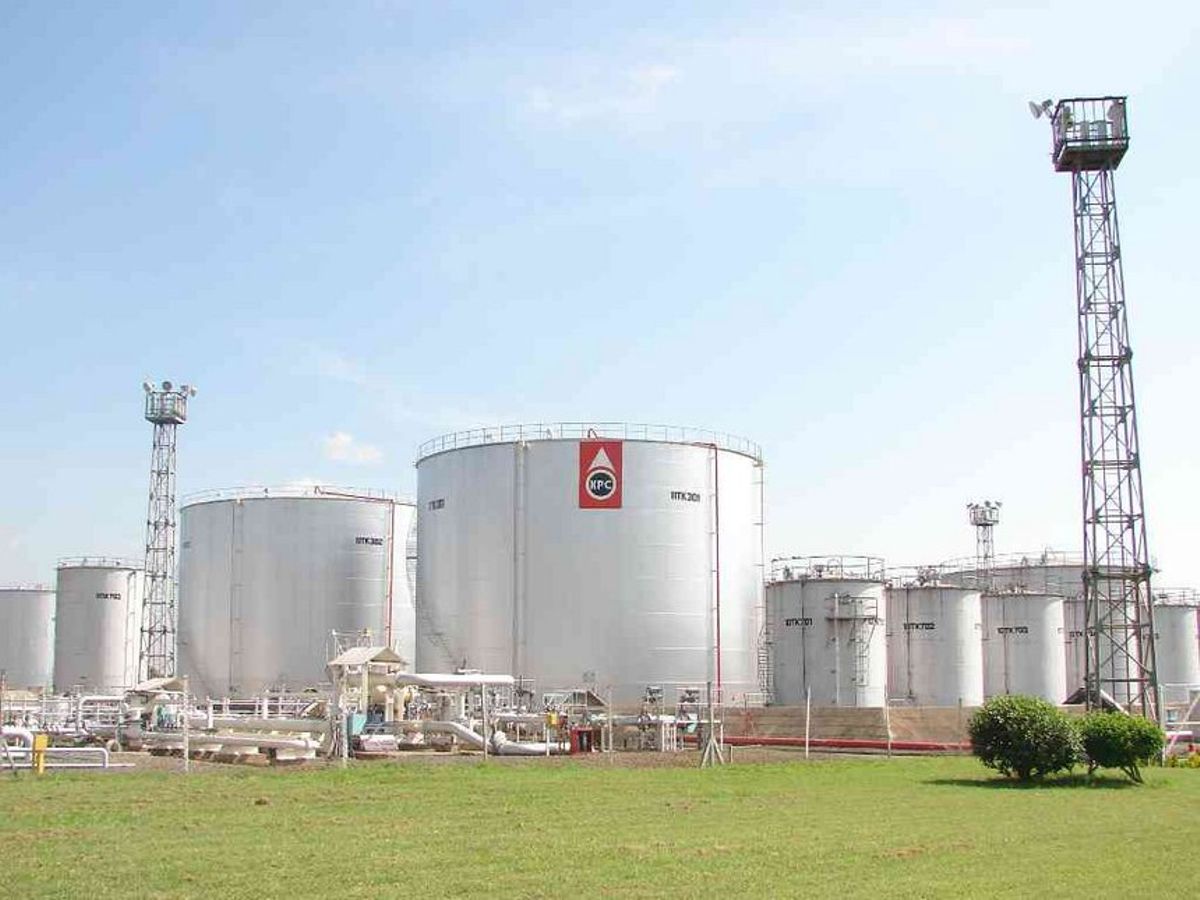
Inside the KPC–Zakhem pipeline deal, Ecobank financing, court battles, and the billions at stake in Kenya’s biggest infrastructure dispute.
🔍 Inside the KPC–Zakhem Saga: Debt, Lawfare and Billions at Risk
A Flagship Project That Became a Legal Battlefield
In 2014, Kenya Pipeline Company (KPC) awarded a high-value engineering contract to Zakhem International Construction Limited for the replacement of the Mombasa–Nairobi fuel pipeline, commonly referred to as Line 5. The contract, valued at approximately $484 million (KES 60+ billion), was positioned as a critical infrastructure upgrade aligned to Kenya’s long-term development ambitions.
More than a decade later, that same project sits at the center of multi-billion shilling disputes, cross-border financing battles, and complex litigation involving lenders, contractors, and the State corporation itself.
The Ecobank Financing Structure: Standard Practice or Strategic Control?
At the core of the dispute is financing provided by Ecobank Nigeria PLC, later involving Ecobank Kenya Limited.
In 2014, Zakhem secured a $300 million credit facility, backed by an all-assets debenture—a legal instrument that allows a lender to take security over a borrower’s present and future assets, including receivables.
Crucially, Zakhem issued Letters of Domiciliation, instructing KPC to route a significant portion of contract payments through Ecobank-controlled accounts. According to court filings, up to 70% of proceeds were directed to Nigeria-linked accounts, with the remainder flowing through Kenyan channels.
A Nairobi-based infrastructure lawyer familiar with the matter notes:
“Domiciliation is not unusual in project finance. The question is not whether it exists, but whether it was transparently disclosed and consistently adhered to.”
When Payments, Guarantees and Defaults Collide
Disputes escalated when Ecobank alleged that Zakhem defaulted on its obligations under the facility. In 2018, Ecobank entities filed HCCC No. 292 of 2018, naming Zakhem-linked companies and KPC as defendants.
The bank argued that:
- It had issued performance and financial guarantees on behalf of Zakhem
- Funds advanced under the facility had not been fully repaid
- Payment flows were disrupted, allegedly contrary to domiciliation instructions
Court records indicate claims exceeding $50 million (KES 6+ billion), alongside additional interest and enforcement actions.
Legal proceedings expanded into multiple suits, appeals, and garnishee applications, reflecting the complexity of cross-border enforcement where Kenyan public funds intersect with offshore financing structures.
Subcontractors Caught in the Middle
Beyond the headline figures, the dispute has exposed a deeper fault line: local contractors left unpaid.
Companies such as:
- Azicon Kenya Limited (claims exceeding KES 400 million)
- Oil Fields Engineering and Supplies Limited
- Independent inspection firms with arbitration awards
have pursued recovery through courts and injunctions. Some have alleged asset transfers and difficulties executing court decrees.
An industry executive involved in subcontracting disputes observed:
“In large EPC projects, the main contractor’s financing structure can determine who gets paid first—and who gets stuck.”
The Legal Maze: A Web of Cases and Claims
The KPC–Zakhem dispute is now spread across a dense network of legal proceedings, including:
- HCCC No. 292 of 2018 (Ecobank vs Zakhem & KPC)
- Subsequent commercial and appellate cases
- Garnishee proceedings targeting KPC payment flows
The scale of litigation reflects not just contractual disagreements, but competing claims over the same revenue streams—a hallmark of stressed infrastructure financing.
Legal costs have also surged into the hundreds of millions of shillings, underlining the high stakes involved.
Governance Questions Around KPC Leadership
The timeline overlaps significantly with the tenure of Joe Sang, who first assumed office in 2015.
During this period:
- The pipeline project was actively executed
- Payment structures tied to domiciliation were operational
- Disputes with Zakhem and financiers intensified
Sang later exited office in 2018 amid separate legal challenges, before returning in 2023 and overseeing a reported “full and final” settlement with Zakhem.
However, fresh claims emerging in 2026 have raised questions about the durability and scope of that settlement.
A former public sector official familiar with infrastructure contracting remarked:
“A ‘full and final’ settlement that reopens within two years suggests either unresolved liabilities or ambiguities in contract closure.”
Context: A Sector With a History of Controversy
The unfolding dispute sits within a broader pattern of governance challenges at KPC, including the Triton Oil Scandal, which exposed systemic vulnerabilities in oil stock management and internal controls.
While unrelated in structure, such historical episodes continue to shape scrutiny around large-scale energy infrastructure and procurement processes in Kenya.
What the Evidence Shows—and What It Doesn’t
A review of available court documents and financial structures suggests:
Supported by evidence:
- Existence of the KPC–Zakhem contract
- Ecobank financing and debenture arrangements
- Domiciliation instructions directing payment flows
- Active litigation involving all parties
Not conclusively proven:
- A coordinated fraud scheme across all actors
- Illicit diversion beyond contractual frameworks
- Direct culpability of specific individuals in wrongdoing
This distinction is critical. Much of the narrative circulating publicly blends documented facts with interpretive conclusions that have not yet been tested or affirmed in court.
The Real Risk: Financial Exposure and Institutional Weakness
What remains clear is the financial exposure tied to the project. Aggregated claims, settlements, tax liabilities, and legal costs have pushed the total economic footprint of the dispute toward tens of billions of shillings.
More importantly, the case highlights structural vulnerabilities:
- Complex cross-border financing tied to public projects
- Weak coordination between contracting entities and lenders
- Extended litigation cycles that lock up public funds
As one Nairobi-based financial analyst put it:
“This is less about a single scandal and more about how infrastructure finance, when poorly governed, creates long-tail risks for public institutions.”
⚖️ Conclusion: Dispute, Not Proven Scheme
The KPC–Zakhem–Ecobank saga is best understood as a high-stakes commercial dispute, not yet a proven grand corruption scheme.
It combines:
- legitimate financing tools
- aggressive legal enforcement
- unresolved contractual tensions
The ultimate outcome will depend on court determinations, forensic audits, and regulatory scrutiny—not narrative framing.
For now, it stands as one of Kenya’s most complex infrastructure disputes, with implications for how future public-private projects are structured, financed, and governed.
Governance & Ethics
Joe Sang: Inside Kenya’s Fuel System Breakdown
Thin Margins, High Risk
Fuel reserves below three weeks amplify every decision. Under such conditions, governance failures become economic crises.
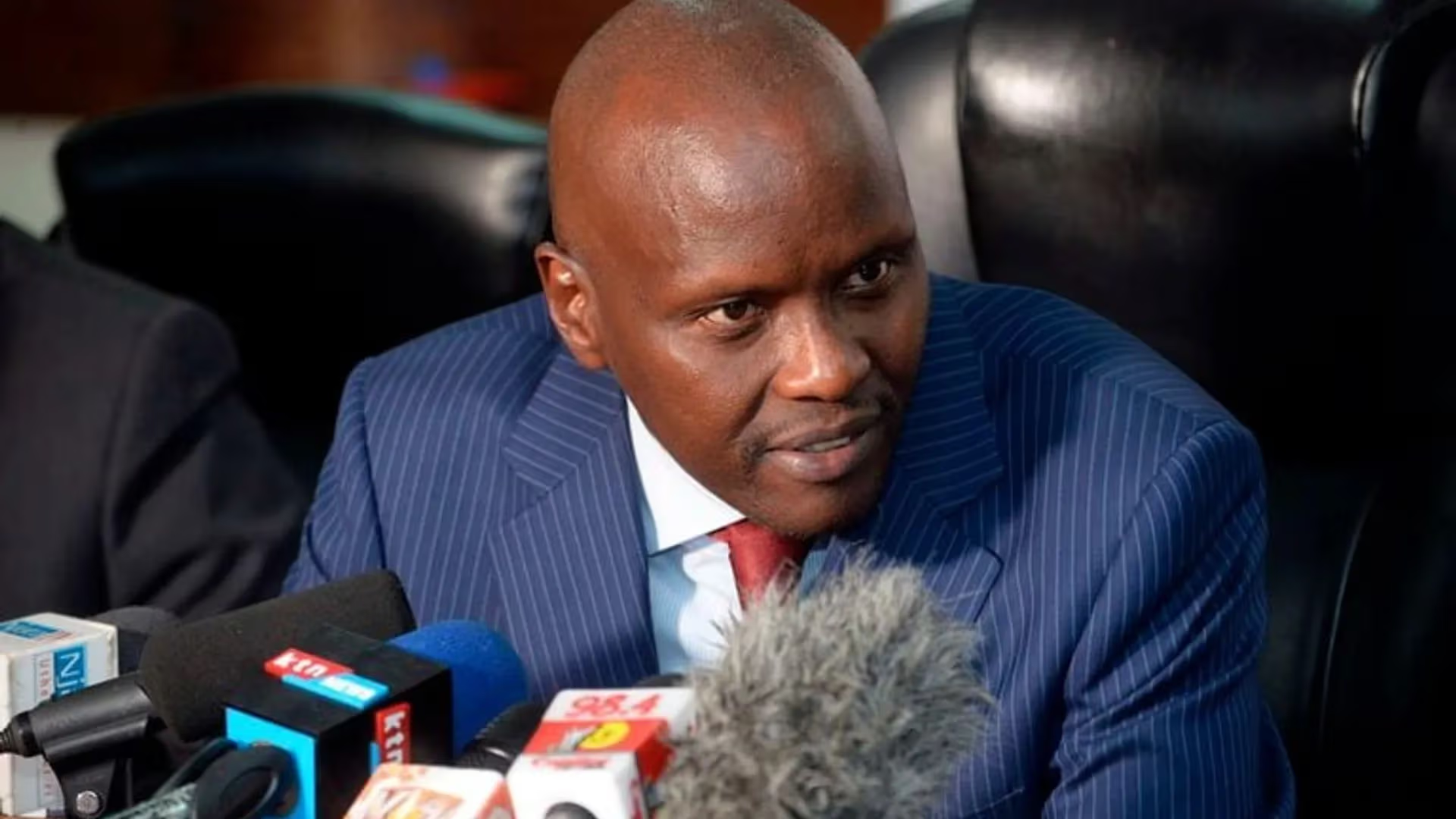
An intelligence analysis of Joe Sang’s fall and how Kenya’s fuel system exposed structural failures across procurement and regulation.
Joe Sang and the Unraveling of Kenya’s Fuel Control System
A System Under Stress, Not a Man Alone
The arrest—and now resignation—of Joe Sang marks a decisive escalation in what is no longer a routine corruption probe but a systems-level rupture inside Kenya’s petroleum logistics architecture.
Alongside Sang, two other critical nodes in the energy chain fell: the Petroleum Principal Secretary and the head of Energy and Petroleum Regulatory Authority. Their coordinated removal signals something deeper than misconduct—it reveals a simultaneous breakdown across operator, regulator, and policy authority.
For international observers, this is the key:
The system did not fail at one point—it failed everywhere at once.
Who Is Joe Sang? The Operator at the Core
Sang is not a political figure in the traditional sense. He is a career technocrat who rose through finance and energy infrastructure roles to lead Kenya Pipeline Company (KPC), the entity that controls the movement and storage of petroleum across Kenya.
KPC:
- Handles over 90% of inland fuel transport
- Operates assets valued at roughly KSh120 billion (~$900 million)
- Connects Mombasa’s import terminals to inland consumption centers
This makes the KPC MD less a corporate executive and more a gatekeeper of national energy flow.
Sang’s career has not been without turbulence. His 2018 arrest over the Kisumu Oil Jetty project—where he was later acquitted—already positioned him within high-value, high-risk state infrastructure environments.
The Trigger: A Fuel Consignment That Broke the System
At the center of the current crisis lies a disputed fuel consignment:
- Flagged internally for quality concerns (notably sulphur levels)
- Held within KPC systems pending regulatory direction
- Subject to disagreement between agencies on whether to release it
At the same time, parallel imports—outside Kenya’s government-to-government (G-to-G) framework—were entering the market at dramatically different pricing levels:
- ~$84 per tonne (≈KSh10,900) via official channels
- ~$290 per tonne (≈KSh37,600) via alternative pathways
This divergence created a three-layer conflict:
- Technical: Is the fuel compliant?
- Economic: Who benefits from price differentials?
- Institutional: Who has final authority?
The system could not resolve these questions internally.
The Real Failure: No Final Decision Authority
What the Sang episode exposes is a structural flaw:
Kenya’s fuel system lacks a single, binding decision authority when disputes arise.
Instead, responsibilities are distributed:
- Energy and Petroleum Regulatory Authority certifies quality and pricing
- KPC controls storage and release
- The Ministry sets policy and approves imports
In theory, this separation ensures accountability.
In practice, it creates overlap, ambiguity, and paralysis.
When the disputed cargo emerged:
- KPC halted release
- Regulators hesitated
- Policy actors were drawn in
The result was escalation—not resolution.
Timing Matters: Supply Pressure as a Force Multiplier
This breakdown did not occur in a stable environment.
At the time of the arrests, Kenya’s fuel reserves were critically tight:
- Petrol: ~16 days
- Diesel: ~19 days
Such thin buffers transform operational disputes into national risk events.
Under these conditions:
- Delayed decisions disrupt supply
- Supply disruptions trigger price volatility
- Price volatility amplifies political and economic pressure
The system was not just flawed—it was stressed.
From Arrest to Resignation: Containment Mode
The subsequent resignation of Sang and his counterparts marks a transition from investigation to containment.
This move serves three purposes:
1. Stabilizing Operations
KPC continues functioning under interim leadership, ensuring fuel movement does not halt.
2. Reasserting Political Control
By removing all three nodes—operator, regulator, and policy—the state resets command over a destabilized system.
3. Managing Optics
The narrative shifts from systemic failure to individual accountability, even if the underlying issues remain unresolved.
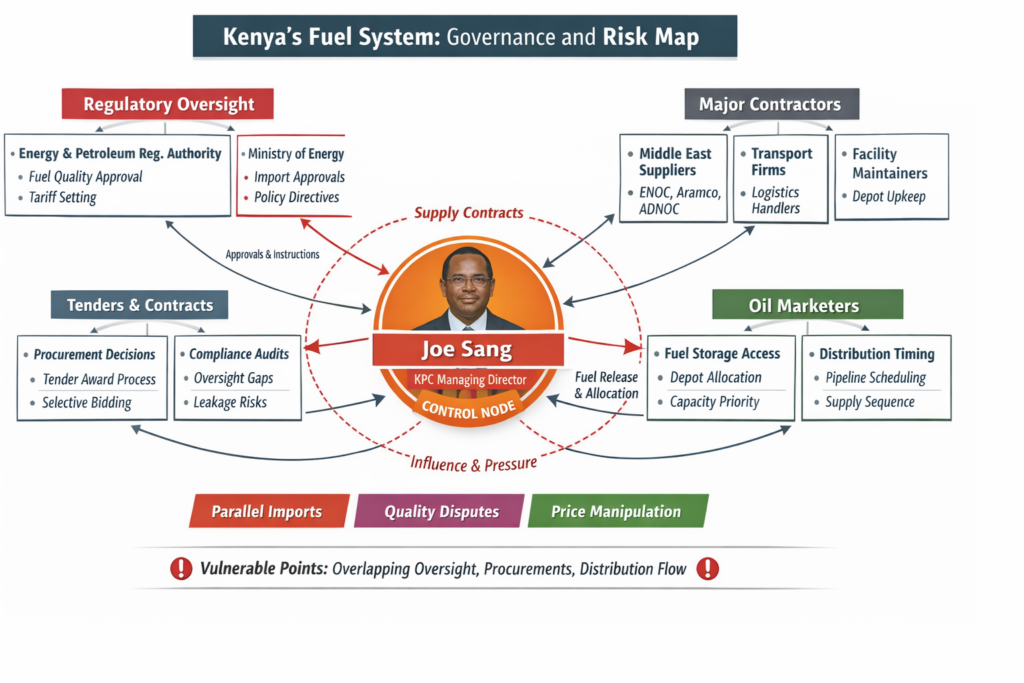
Network Map Reality: Parallel Systems Inside One System
The intelligence map of Kenya’s fuel chain now reveals dual pathways operating simultaneously:
Official Pathway
- Government-to-government procurement
- Regulated pricing
- Formal approvals
Parallel Pathway
- Independent importers
- Higher-priced cargoes
- Less transparent entry points
These systems intersect at KPC—where fuel is stored, moved, and released.
This is where control becomes power—and where ambiguity becomes risk.
Joe Sang Reframed: Actor or Node?
With his resignation, Sang’s role becomes clearer in analytical terms.
He is not best understood as:
- A lone decision-maker
- Or a proven corrupt actor
Instead, he is:
A recurring operator positioned at critical friction points within a structurally vulnerable system.
His repeated exposure—to the 2018 jetty case and now the 2026 fuel probe—reflects where he sits, not necessarily what he has done.
Strategic Implications
For investors, policymakers, and international observers, three conclusions stand out:
1. Infrastructure Control Equals Economic Influence
Midstream logistics—pipelines, storage, scheduling—carry hidden but significant pricing power.
2. Governance Design Determines Risk
Overlapping mandates without clear escalation protocols create:
- Decision paralysis
- Accountability gaps
- Legal exposure
3. Crisis Response Does Not Equal Reform
Removing individuals stabilizes perception but does not:
- Eliminate parallel procurement channels
- Clarify authority boundaries
- Strengthen audit mechanisms
Bottom Line: A System Exposed
Joe Sang’s rise, arrest, and resignation form a narrative arc—but they are not the story’s core.
The real story is this:
Kenya’s fuel system—designed with distributed authority—has revealed its inability to resolve high-stakes conflicts under pressure.
Until that structural weakness is addressed, the risk remains:
- Not of another Joe Sang
- But of another system failure
Governance & Ethics
Joe Sang: Kenya Pipeline Power & Structural Risk
Supply Risk
With days of cover in the teens, Kenya’s fuel imports left little room for error — heightening the stakes of any procurement dispute.
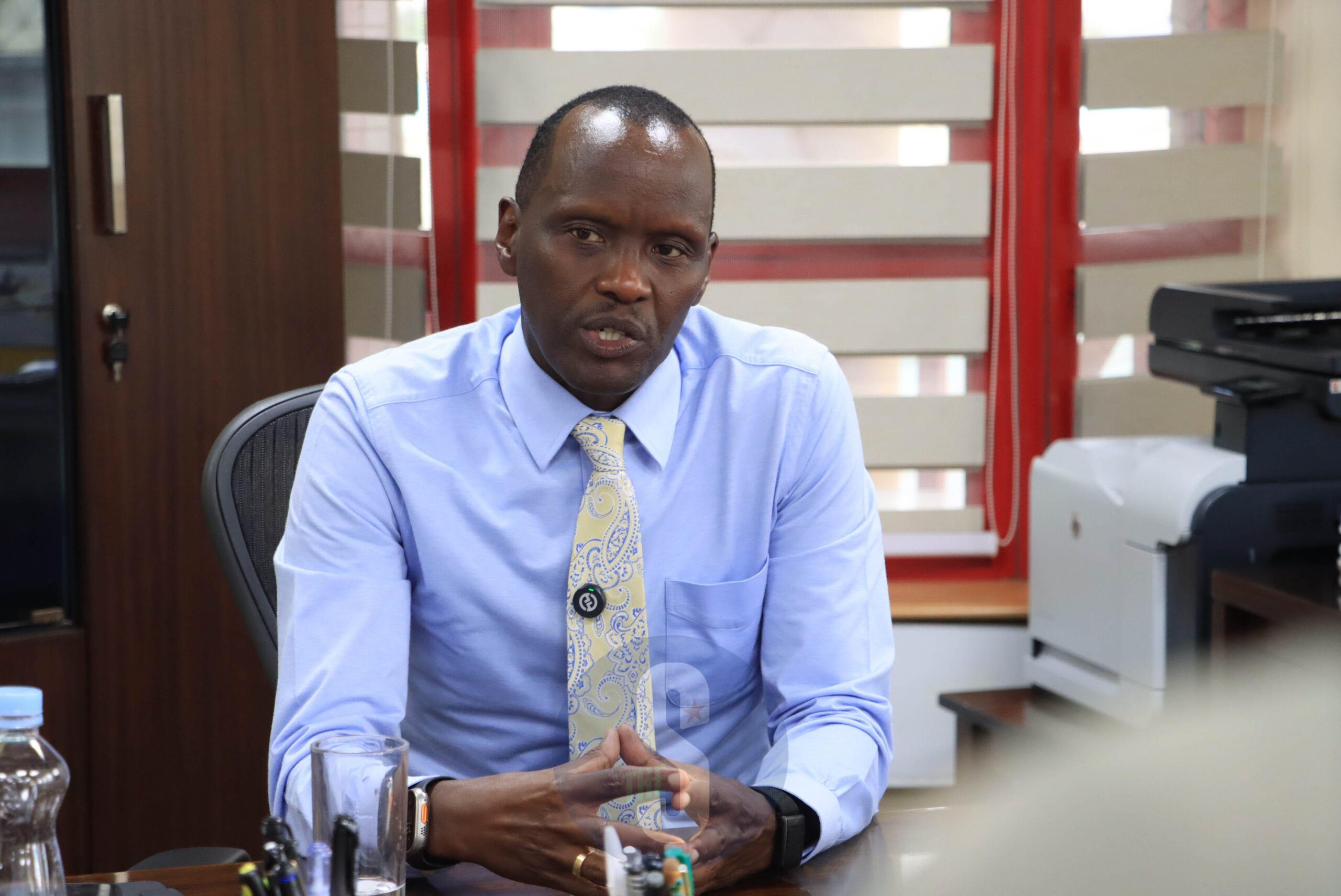
Intelligence analysis of Joe Sang’s role at Kenya Pipeline Company amid a multi‑agency fuel import probe and governance vulnerabilities.
Joe Sang: Power, Pressure, and Procurement at Kenya’s Fuel Chokepoint
Nairobi, Kenya — When Joe Sang, Managing Director of the Kenya Pipeline Company (KPC), was detained in April 2026 alongside senior energy officials, it revealed more than a high-profile arrest. It exposed structural weaknesses in Kenya’s petroleum logistics system.
This analysis provides a strategic intelligence overview, based on verified sources and system-level mapping. It explains who Sang is, why his role matters, and how the probe uncovers governance vulnerabilities beyond any single executive.
From Finance Technocrat to Midstream Power Node
Joe Sang is a career finance and energy professional. His path mirrors that of many technocrats rising to strategic state agency leadership. Reports indicate that before leading KPC, he held senior roles combining financial oversight with petroleum infrastructure management.
Sang faced prosecution in the Kisumu Oil Jetty case—a multi-billion shilling infrastructure project. He and colleagues were later acquitted due to lack of evidence and procedural defects (Standard Media).
Following his acquittal, Sang was reappointed in 2023. He returned to lead a company with assets worth hundreds of millions of dollars and a central role in Kenya’s fuel supply chain.
Structural Power: Control Without Ownership
KPC does not own fuel, but it controls:
- Movement of refined products from the Port of Mombasa inland
- Storage capacity and depot access
- Timing and prioritization of throughput
- Tariff components embedded in pump pricing
In markets with tight margins, this control transforms KPC leadership into a critical infrastructure operator. Logistics decisions ripple throughout the energy sector.
The 2026 Arrests: System Under Pressure
In April 2026, Sang was arrested alongside:
- Liban Mohamed, Principal Secretary, Energy Ministry
- Daniel Kiptoo, Director General, Energy and Petroleum Regulatory Authority (EPRA)
The arrests followed a multi-agency probe into fuel imports, supply shortages, and quality disputes. Investigators examined allegations that some fuel entered Kenya outside the government-to-government (G-to-G) framework, raising concerns over procurement integrity and regulatory compliance (Business Daily Africa).
A senior official noted:
“The arrests are linked to the importation of fuel outside the G-to-G deal.”
This points to parallel import pathways that bypass official mechanisms.
Supply Stress Amplifies Governance Risk
At the time, Kenya’s fuel days of cover were dangerously low:
- Petrol: ~16 days
- Diesel: ~19 days
These levels leave little buffer for disruption. Operational decisions by KPC, EPRA, and the Energy Ministry immediately affect availability and pricing.
Pricing Divergence Reveals Arbitrage Tension
Evidence shows stark pricing discrepancies:
- G-to-G imports: ~$84/tonne (~KSh10,900)
- Parallel imports: Up to ~$290/tonne (~KSh37,600)
Such a gap indicates structural incentives for actors to bypass official channels. Weak enforcement allows this divergence to persist.
Procurement Weakness: Overlap and Ambiguity
Kenya’s energy framework involves multiple overlapping nodes:
- EPRA (Regulator): Certifies quality, licenses importers, regulates pricing
- KPC (Operator): Manages logistics, throughput, storage
- Ministry of Energy: Sets policy, approves bilateral arrangements
Conflicting decisions over flagged consignments escalated to law enforcement rather than administrative resolution, highlighting governance friction rather than individual misconduct.
Pattern Recognition: Exposure Without Proven Culpability
Sang’s career shows repeated exposure to high-profile procurement issues:
- 2018: Kisumu Oil Jetty case — acquitted
- 2026: Fuel import probe — ongoing
This pattern suggests that systemic opacity makes it difficult to assign individual culpability.
Political Context and Appointment Dynamics
While no evidence links Sang to presidential directives, his 2023 reappointment occurred under President William Ruto. In Kenya, strategic appointments require:
- Technical competence
- Political and network acceptability
- Alignment with ruling coalition priorities
Sang’s Kalenjin background may contribute to appointment stability in Kenya’s political-administrative system.
Structural Map: Tenders, Contractors, and Decision Flows
The upstream and midstream procurement ecosystem includes:
- Tender gateways: ERP-linked platforms with variable transparency
- Contractors & importers: Local oil marketing companies and foreign suppliers
- Regulatory checkpoints: EPRA quality and licensing controls
- Operational nodes: KPC scheduling and depot management
In effective systems, these functions are clearly separated with robust audit trails. Kenya’s overlapping responsibilities and weak enforcement create conditions where procurement and regulatory compliance diverge.
Bottom Line: A System Under Strain
Joe Sang’s predicament highlights systemic risk, not just individual behavior. Structural weaknesses, overlapping authority, pricing arbitrage, and supply stress combine to create a fragile system. Sang is a powerful node in this web, and the investigation exposes this fragility.
Key Insight for Analysts:
The critical issue is not Sang’s actions alone, but how the system enables ambiguity, creates parallel incentives, and concentrates economic power without clear accountability


KPC–Zakhem Deal: Debt, Disputes, Billions

Equity Green Finance Africa Leads Growth

Stanbic vs Rivals in Kenya’s Green Finance Race


-
 Commercial Banking7 days ago
Kenya Banks Competitive Growth Insights 2026
-
 Commercial Banking4 days ago
Standard Bank Growth Plan Faces Africa Risks
-

 Boardroom Leadership6 days ago
East Africa Women CEOs 2025 Rankings
-

 Entrepreneur6 days ago
East Africa’s Richest 2025: Top 10 Revealed
-
 Commercial Banking4 days ago
Kenya Capital Drive Faces Execution Test
-

 Commercial Banking4 days ago
HF Group Profit Hits Record on Bond Strategy
-

 Fintech6 days ago
Top Capitalized Fintechs in East Africa 2025
-
 Governance & Ethics2 days ago
Joe Sang: Inside Kenya’s Fuel System Breakdown