Business School Rankings
Top 10 Business Schools in East Africa (2025)
From Kenya to Uganda and Tanzania, leading business schools are expanding their regional influence. Their graduates are driving growth across finance, technology, and public sector leadership.


Compare East Africa’s top business schools in 2025 by reputation, fees, intake periods, strengths and official contact details.
East Africa’s business education sector continues to expand, driven by rising demand for executive leadership, entrepreneurship training, and regional corporate growth. Below is a data-driven ranking of the Top 10 Business Schools in East Africa (2025), based on reputation, regional catchment, alumni influence, corporate integration, and programme structure.
1. University of Nairobi School of Business
📍 Kenya
Why it stands out:
The oldest and most established MBA programme in East Africa. Strong alumni network across government, banking, multinationals and entrepreneurship sectors.
Competitive edge vs peers:
Public affordability + deep regional credibility + strong research output.
MBA Fees (Approx):
~KSh 12,000 per unit (plus statutory & examination fees)
Typical Intake:
September/October
Contact:
Email: dean-business@uonbi.ac.ke
Phone: +254 20 4919007
2. Strathmore University Business School (SBS)
📍 Kenya
Why it stands out:
Executive-focused MBA with strong corporate partnerships and international linkages (notably IESE Business School, Spain).
Competitive edge vs peers:
Premium executive training, ethics-centered leadership, strong CEO alumni presence.
MBA Fees:
Private university rates (contact admissions for current schedule)
Typical Intake:
Multiple intakes annually
Contact:
Email: mbaadmissions@sbs.ac.ke
Phone: +254 703 034414
3. Makerere University Business School (MUBS)
📍 Uganda
Why it stands out:
Uganda’s leading standalone business school with broad postgraduate portfolio.
Competitive edge vs peers:
Dominant national influence + high student catchment + regional executive training.
MBA Fees:
Contact institution for updated schedule
Typical Intake:
August/September
Contact:
Email: info@mubs.ac.ug
Phone: +256 414 338120
4. ESAMI Business School
📍 Tanzania (Regional Institute)
Why it stands out:
Multinational management institute serving Eastern & Southern Africa.
Competitive edge vs peers:
Cross-border executive footprint (Kenya, Tanzania, Uganda and beyond).
MBA Fees:
Varies by campus
Typical Intake:
Rolling admissions for some programmes
Contact:
Email: admissions@esami-africa.org
Phone: +255 27 2970070
5. USIU-Africa School of Business
📍 Kenya
Why it stands out:
International orientation with U.S. accreditation affiliations.
Competitive edge vs peers:
Globalized curriculum + multinational student base.
MBA Fees:
Private university rates (contact admissions)
Typical Intake:
Fall & Spring
Contact:
Email: admissions@usiu.ac.ke
Phone: +254 730 116000
6. Kenyatta University School of Business
📍 Kenya
Why it stands out:
Large public university with broad specialization options.
Competitive edge vs peers:
Research strength + strong public university alumni network.
MBA Fees:
Contact university
Typical Intake:
January & September
Contact:
Email: admissions@ku.ac.ke
Phone: +254 20 8703000
7. Moi University School of Business & Economics
📍 Kenya
Why it stands out:
Strong presence in western Kenya and significant alumni base.
Competitive edge vs peers:
Regional leadership development + applied business training.
MBA Fees:
Contact university
Typical Intake:
September
Contact:
Email: admissions@mu.ac.ke
Phone: +254 53 43001
8. Catholic University of Eastern Africa (CUEA)
📍 Kenya
Why it stands out:
Ethics-driven MBA programme suited for working professionals.
Competitive edge vs peers:
Flexible learning formats + values-based leadership training.
MBA Fees:
Private university rates
Typical Intake:
January & September
Contact:
Email: admissions@cuea.edu
Phone: +254 709 691000
9. Egerton University Faculty of Commerce
📍 Kenya
Why it stands out:
Strong integration between business and applied sectors (including agribusiness).
Competitive edge vs peers:
Applied economic focus + strong national public university reputation.
MBA Fees:
Contact university
Typical Intake:
September
Contact:
Email: admissions@egerton.ac.ke
Phone: +254 51 2217781
10. International University of East Africa (IUEA)
📍 Uganda
Why it stands out:
Flexible Global MBA designed for working professionals.
Competitive edge vs peers:
Flexible formats + growing regional student enrollment.
MBA Fees:
Contact university
Typical Intake:
Multiple intakes annually
Contact:
Email: info@iuea.ac.ug
Phone: +256 705 722300
Strategic Observations for 2025
- Kenya remains the dominant MBA hub in East Africa.
- Public universities offer affordability and legacy strength.
- Private business schools offer executive polish and global orientation.
- Regional institutes like ESAMI provide cross-border managerial exposure.
For professionals choosing a business school, decision factors increasingly include:
✔ Alumni network strength
✔ Corporate integration
✔ Executive delivery flexibility
✔ Regional mobility

Business School Rankings
East Africa MBA ROI Surge 2025
Premium MBA programs offer faster career advancement and international exposure. Graduates in finance, telecom, and cross-border trade are particularly benefiting from these high-return pathways.
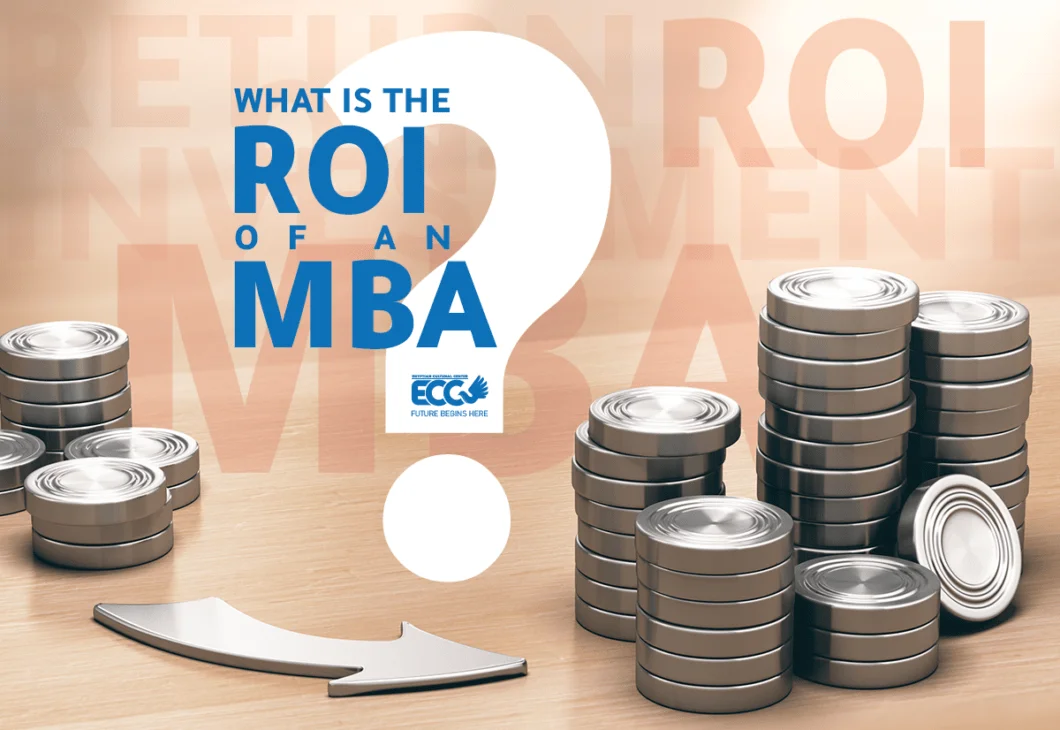
East Africa MBA ROI trends: tuition, salaries, payback cycles, and leadership mobility across Kenya, Uganda, and Tanzania.
East Africa MBA ROI Surge 2025 — From Cost to Career Value
East Africa’s MBA market is experiencing rapid transformation, as professionals increasingly see tuition as a strategic career investment rather than just an expense. Across Kenya, Uganda, and Tanzania, both affordable public programs and premium private MBAs are seeing rising demand, signaling a shift toward return-driven postgraduate education.
🎓 Why ROI Has Become Central
Over the past few years, candidates have grown more selective, emphasizing career mobility, salary progression, and regional business relevance. Meanwhile, employers in sectors such as finance, telecommunications, and cross-border trade are prioritizing advanced management training, prompting institutions to redesign their programs accordingly. Consequently, universities now focus on practical skills, leadership development, and regional exposure, mirroring global trends highlighted by Reuters and Bloomberg.
For global insights on MBA ROI:
📎 https://www.reuters.com/finance/education/mba-return-investment-rise/
📎 https://www.bloomberg.com/business/education-mba-career-value-analysis
💰 Tuition & Delivery Models
Tuition varies widely depending on the institution and delivery format:
| Program Type | Typical Cost (USD) | Key Features |
|---|---|---|
| Public Universities | $1,000 – $6,000 | Affordable, strong local recognition |
| Private / International MBAs | $10,000 – $25,000 | Premium networks, global exposure |
| Hybrid / Online Programs | $4,000 – $10,000 | Flexible, shorter payback periods |
While public MBAs remain the most accessible option, their ROI in terms of career progression tends to be gradual. In contrast, premium programs offer faster salary growth and broader international opportunities, helping graduates recoup tuition sooner. Additionally, hybrid and online MBAs provide mid-range options that balance affordability with flexibility.
📈 Career Outcomes Across MBA Types
🔹 Public University MBAs
Graduates often enter middle-management roles in banks, telecom companies, government agencies, or NGOs. Although these positions provide stability, promotion timelines are structured, meaning salary growth can be slow. Nevertheless, steady career progression remains a strong appeal for many professionals.
🔹 Premium & International MBAs
Programs with global affiliations or executive formats frequently place graduates into senior corporate leadership or multinational roles. Therefore, career advancement tends to be faster, and compensation packages are generally higher, which shortens the ROI payback period.
🔹 Flexible & Online MBAs
Hybrid formats allow professionals to continue earning while studying, lowering opportunity costs. Moreover, learners often apply skills immediately in the workplace, which accelerates promotions and increases salary, providing a tangible ROI advantage.
🌍 Sector Trends Shaping MBA Returns
Economic dynamics in East Africa further influence ROI:
- Financial services, fintech, and telecommunications are expanding rapidly, driving demand for strategic managers.
- Energy and infrastructure sectors are creating cross-border management opportunities.
- Regional integration opens additional avenues for graduates with expertise in trade and multinational operations.
These trends underscore the advantage of programs combining industry exposure with practical business skills, making ROI more meaningful for graduates.
🧠 Choosing the Right MBA Path
Ultimately, the optimal MBA depends on career goals, financial resources, and learning preferences:
- Public MBAs: Suitable for professionals seeking strong regional credentials at lower cost.
- Premium Programs: Ideal for those targeting rapid career elevation, global networks, and high-impact roles.
- Flexible / Online MBAs: Offer a balance between affordability, work continuity, and career advancement.
As East African economies expand, the value of an MBA increasingly hinges on practical career outcomes, not tuition alone. Professionals now shift toward return-driven decision-making, aligning MBA choices with career objectives, industry demand, and regional growth opportunities.
📊 Infographic: MBA ROI Drivers (2025)
| Metric | Public MBA | Online/Hybrid MBA | Premium MBA |
|---|---|---|---|
| Avg Tuition (USD) | $1,000–$6,000 | $4,000–$10,000 | $10,000–$25,000 |
| Work While Studying | ❌ | ✅ | ❌/Partial |
| Avg Time to Pay Back Tuition | 4–7 years | 3–5 years | 2–4 years |
| Career Acceleration | Moderate | High | Very High |
| Global Network Access | Low | Medium | High |
Key Takeaways
- Flexible programs reduce opportunity costs
- Premium MBAs yield the fastest ROI
- Public MBAs provide broad access and local recognition


Stanbic Women Finance Surge in Kenya

Stanbic Bank East Africa’s AI Risk Transformation

Joe Sang: Inside Kenya’s Fuel System Breakdown


-

 Economy & Policy7 days ago
Rwanda Tops 2026 Investment Attractiveness Index
-

 Commercial Banking6 days ago
Kenya Banks Competitive Growth Insights 2026
-

 Commercial Banking3 days ago
Standard Bank Growth Plan Faces Africa Risks
-

 Top Banks6 days ago
Top 10 Capitalized Banks in East Africa 2025
-

 Boardroom Leadership5 days ago
East Africa Women CEOs 2025 Rankings
-

 Insurance6 days ago
Top 10 Capitalized Insurers in East Africa 2025
-

 Entrepreneur5 days ago
East Africa’s Richest 2025: Top 10 Revealed
-
 Commercial Banking7 days ago
Standard Bank Ethiopia: Measured Entry Strategy