Corporate Earnings
Uganda Banking Profit Surge Strengthens Buffers
Regional financial integration is progressing with the East African Community Capital Markets Infrastructure platform expanding in February 2026. Cross-border liquidity and reduced transaction costs are expected to bolster banking sector stability in Uganda and neighboring countries.

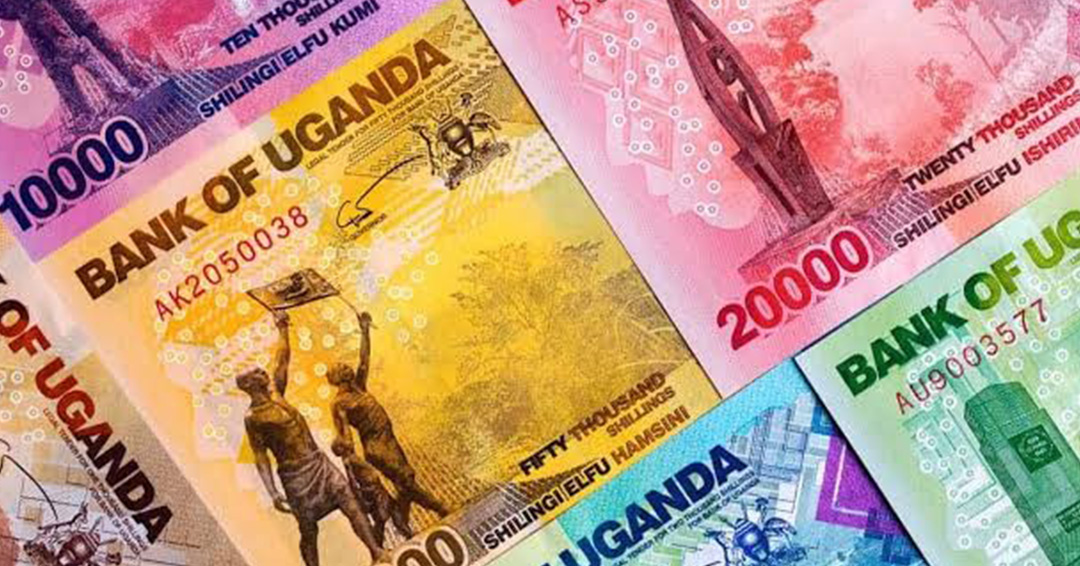
Uganda banking sector posts record profits and stronger capital buffers, boosting credit growth, investor confidence and regional integration outlook.
Uganda’s banking sector has entered 2026 from a position of unusual financial strength, with record profitability, rising capital buffers and expanding regional financial integration reinforcing the country’s status as one of East Africa’s more stable frontier banking systems.
New financial stability disclosures published in January and February 2026 by the Bank of Uganda show that commercial banks delivered a sharp increase in net after-tax profits for the year ended June 30, 2025, driven primarily by higher interest income from loans, government securities and interbank placements.
The sector’s net profit rose approximately 36% year-on-year, marking one of the strongest earnings expansions since the post-pandemic recovery began in 2022.
For investors and credit rating agencies, the profitability surge reflects a structural strengthening of bank balance sheets rather than a temporary cyclical rebound.
Uganda Banking Profitability Expansion Accelerates
Profit growth across Uganda’s banking system accelerated steadily between mid-2023 and June 2025 as interest rate tightening boosted returns on interest-earning assets.
Commercial banks increased income from holdings of Ugandan government securities issued by the Ministry of Finance, Planning and Economic Development, which offered elevated yields during the monetary tightening cycle of 2023–2024.
Higher returns on Treasury bills and bonds significantly lifted net interest margins.
At the same time, loan repricing across corporate, SME and retail portfolios allowed banks to maintain spreads despite inflation pressures and currency volatility.
This dynamic reinforced earnings resilience while strengthening internal capital generation.
From a macro-financial perspective, profit growth is one of the most important determinants of banking system stability because retained earnings form a core component of Tier 1 capital.
Commercial Bank Capital Buffer Strengthening
Capital adequacy ratios across Uganda’s banking system improved materially between June 2024 and December 2025, supported by retained earnings and improved asset quality.
Stronger capital buffers enhance the sector’s ability to absorb external shocks, including:
- Exchange rate volatility
- Sovereign debt stress
- Credit cycle deterioration
- External liquidity tightening
Capital strength is particularly important in frontier markets, where foreign currency funding conditions can shift rapidly.
The Ugandan banking system’s capital position now compares favorably with regional peers, including Kenya and Tanzania, both of which experienced elevated sovereign borrowing costs during 2023–2024.
Stronger capital buffers also improve bank creditworthiness, lowering funding costs and supporting long-term financial stability.
Interest Income Growth Driving Earnings
Interest income expansion was the primary driver of Uganda’s banking sector profitability surge.
Between July 2023 and June 2025, banks increased allocations to government securities while maintaining selective private sector lending growth.
This dual-income strategy allowed banks to balance:
- Credit risk management
- Liquidity preservation
- Yield optimization
Improved underwriting standards also contributed to lower non-performing loan formation, reducing loan loss provisioning expenses.
Reduced provisioning directly improves profitability by lowering income statement charges.
For international investors, this signals improving asset quality and risk management discipline.
Cross-Border Banking Integration Momentum
Uganda’s banking strength is unfolding alongside broader regional financial integration initiatives.
In February 2026, regional authorities expanded participation in the East African Community Capital Markets Infrastructure platform, linking financial institutions and market infrastructure across East Africa.
The integration framework includes participation from:
- Uganda
- Kenya
- Tanzania
- Rwanda
This infrastructure aims to enable seamless cross-border securities trading, improve liquidity and reduce transaction friction.
For banks, integration opens opportunities for:
- Regional capital raising
- Cross-border investment diversification
- Improved liquidity management
Greater financial integration strengthens systemic resilience by diversifying funding sources and investment opportunities.
Regional Banking Liquidity Confidence Rising
Improved profitability and capital adequacy have strengthened investor confidence in Uganda’s banking sector entering 2026.
Strong bank balance sheets support credit expansion, which in turn reinforces economic growth.
Higher banking sector stability also improves sovereign credit perceptions, as financially strong banks are better positioned to absorb government securities issuance without destabilizing credit supply.
This dynamic creates a positive feedback loop between banking stability and sovereign financing conditions.
Foreign investors typically view banking system health as a key indicator of broader financial system resilience.
Uganda’s current trajectory places it among the more stable frontier banking markets in sub-Saharan Africa.
Frontier Financial Stability Outlook Strengthens
Uganda’s banking sector performance reflects structural strengthening rather than short-term cyclical recovery.
Key structural improvements include:
- Strengthened capital buffers
- Improved profitability
- Enhanced risk management
- Regional financial integration progress
These developments position Uganda’s banking sector to support economic expansion while maintaining systemic stability.
The sector’s resilience also improves Uganda’s attractiveness to foreign investors seeking exposure to frontier financial systems with strengthening fundamentals.
If profitability trends remain stable through 2026 and regional integration deepens, Uganda’s banking sector could play a larger role in supporting East Africa’s financial system development.



Stanbic Women Finance Surge in Kenya

Stanbic Bank East Africa’s AI Risk Transformation

Joe Sang: Inside Kenya’s Fuel System Breakdown


-

 Economy & Policy7 days ago
Rwanda Tops 2026 Investment Attractiveness Index
-

 Commercial Banking6 days ago
Kenya Banks Competitive Growth Insights 2026
-

 Commercial Banking3 days ago
Standard Bank Growth Plan Faces Africa Risks
-

 Top Banks6 days ago
Top 10 Capitalized Banks in East Africa 2025
-

 Boardroom Leadership5 days ago
East Africa Women CEOs 2025 Rankings
-

 Entrepreneur5 days ago
East Africa’s Richest 2025: Top 10 Revealed
-

 Commercial Banking7 days ago
Standard Bank Ethiopia: Measured Entry Strategy
-

 Insurance6 days ago
Top 10 Capitalized Insurers in East Africa 2025