
Commercial Banking
Stanbic’s Corporate Edge Leads East Africa
High-value corporate clients generate multiple revenue streams, enhancing profitability per relationship. Stanbic’s lean corporate footprint delivers scale without the operational burden of mass retail expansion.

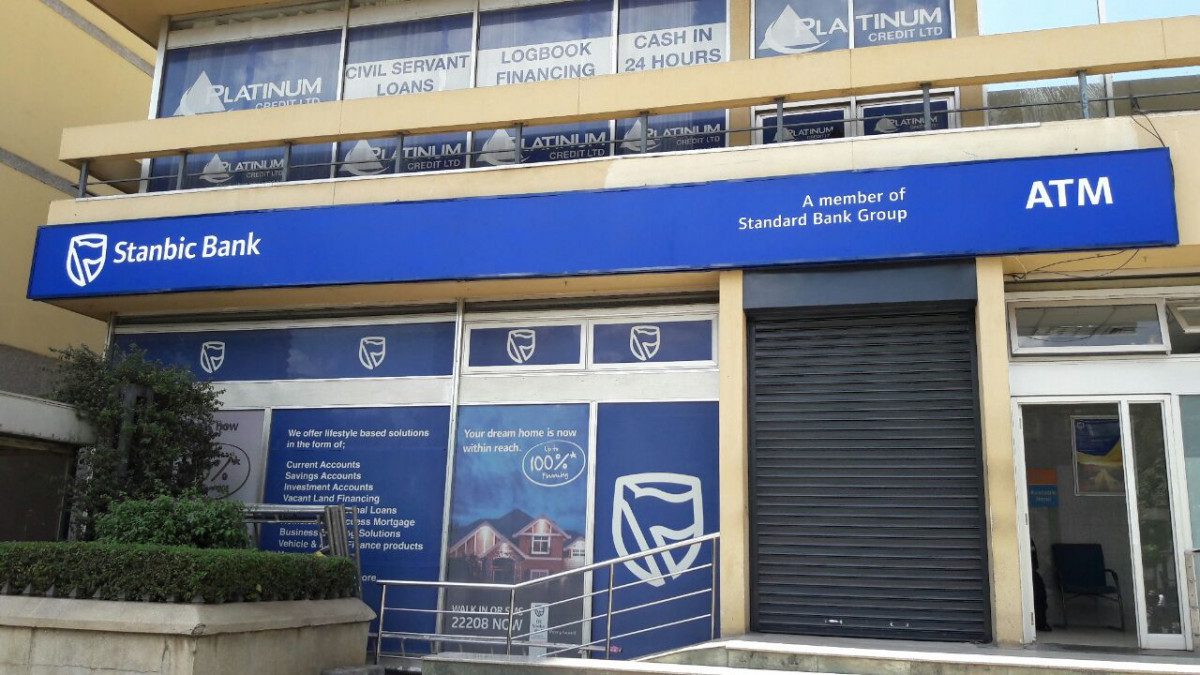
Stanbic Kenya dominates corporate banking with low NPLs, digital platforms, and regional scale, delivering superior risk-adjusted returns.
By Charles Wachira
Stanbic Kenya: Corporate Dominance, Risk Discipline, and Regional Scale
Stanbic Bank Kenya has positioned itself as a strategic leader in corporate and institutional banking, earning preference among multinationals, large domestic corporates, and cross-border trade finance. By leveraging the broader Standard Bank Group network, it delivers services beyond Kenya’s borders, creating a structural advantage over retail-focused competitors.
Local peers prioritize high-volume retail and SME lending, but Stanbic maintains a concentrated, high-value loan portfolio, which allows precise pricing, controlled sector exposure, and predictable credit risk management, even amid volatile macroeconomic conditions.Additionally, each corporate client generates multiple revenue streams — including trade finance, treasury services, FX hedging, and global market access — establishing a scalable, high-margin business model.
At the close of 2024, the corporate loan book stood at roughly KSh150 billion (~$1.14 billion), representing nearly 44% of total lending, according to Stanbic’s 2024 financial statements. By contrast, Equity Bank and Co-operative Bank operate retail-heavy portfolios, increasing operational costs per revenue unit and exposing themselves to higher credit volatility.
Economies of Scale in Corporate Banking
Firstly, high revenue per client drives efficiency. Large corporates can generate $2–5 million annually through lending margins, FX services, trade finance, and cash management. Serving fewer clients with higher revenue per relationship allows Stanbic to operate efficiently without extensive branch infrastructure.
Secondly, cross-border integration strengthens the bank’s regional footprint. Leveraging Standard Bank Group’s regional platforms, clients can manage operations in Kenya, Uganda, and Tanzania from a centralized hub. Consequently, administrative overhead is reduced, operational risk is mitigated, and regional scale is enhanced — a benefit local-only banks struggle to replicate.
Finally, a lean corporate footprint ensures effectiveness. By deploying a small number of highly skilled relationship managers, Stanbic delivers tailored service to complex corporate clients. This structure maintains cost-to-income ratios around 45%, while ROE remains strong, outperforming retail-heavy competitors.
Asset Quality and Risk Discipline
A key differentiator is Stanbic’s disciplined approach to credit risk. By the end of 2024, the bank reported an NPL ratio of 2.8%, significantly below the industry average of over 6%, as reported in the Central Bank of Kenya Banking Sector Report.
Several factors support this performance:
- Conservative Client Selection
Lending focuses on large corporates and multinationals, ensuring predictable cash flows and minimizing default risk. - Trade-Linked Exposure
A substantial portion of the KSh150 billion (~$1.14 billion) corporate loan book is tied to trade finance and FX-hedged facilities, which reduce interest rate and currency volatility. - Hedged FX Lending
Cross-border FX-linked loans are actively hedged, supporting predictable ROE and protecting the balance sheet. As a result, Stanbic emerges as a reliable choice for international investors seeking stable, risk-adjusted returns.
Economically, this strategy creates a defensive scale advantage: lower provisioning frees capital for profitable deployment across domestic and regional operations. By contrast, peers chasing high-volume SME and retail loans must allocate more for provisions, constraining ROE and increasing risk.
Digital & Transactional Infrastructure
Stanbic has implemented modular corporate digital platforms, enhancing operational efficiency and enabling regional scale:
- Real-Time Trade Finance Tracking
Corporates can monitor import/export transactions across East African subsidiaries, improving liquidity management and reducing operational delays. - Multicurrency Payments Portals
Businesses can execute payments in multiple currencies, lowering FX exposure and streamlining cross-border cash flows. For the KSh150 billion (~$1.14 billion) corporate loan book, this platform enhances revenue predictability. - Bulk Payroll and Automated Collections
Automation of payroll and corporate collections reduces errors, administrative costs, and increases client satisfaction.
This infrastructure supports multiple subsidiaries at marginal incremental cost, representing a classic scale advantage. Although Equity Bank and Co-op Bank have strong retail and mobile platforms, Stanbic’s corporate digital footprint remains unique regionally, reinforcing its structural moat.
Regional Footprint Without Retail Burden
Stanbic Kenya’s operational model enables efficient management of East African subsidiaries:
- Kenya acts as the hub, centralizing risk management, treasury, and corporate operations.
- Uganda and Tanzania leverage Kenyan systems, reducing duplication and operational costs.
- By avoiding mass retail expansion, the bank achieves regional scale in capital deployment and corporate client coverage without proportional operational costs.
Consequently, this strategy strengthens risk-adjusted returns and allows Stanbic to deploy capital efficiently across borders. Retail-heavy competitors face higher costs when expanding into multiple markets.
At-a-Glance: Corporate Lending Efficiency
| Metric | Stanbic Bank Kenya | Equity Bank | Co-op Bank |
|---|---|---|---|
| Corporate Loans (KES bn / USD bn) | 150 / 1.14 | 90 / 0.69 | 70 / 0.53 |
| NPL Ratio | 2.8% | 6.2% | 5.8% |
| ROE | 18% | 14% | 13% |
| Revenue per Corporate Client ($M) | 2.5–5 | 0.8–1.2 | 0.7–1 |
| Cost-to-Income | 45% | 52% | 50% |
Sources: Stanbic Annual Report 2024, CBK Banking Sector Report 2024
Forward-Looking Advantage
The combination of high-value clients, disciplined risk management, modular digital infrastructure, and regional operational efficiency positions Stanbic to deliver predictable, risk-adjusted returns. By integrating low NPLs, high revenue per client, digital platforms, and cross-border scale, the bank creates a structural moat that retail-heavy competitors cannot replicate.
Increasingly, regional corporates select Stanbic for multi-country trade, treasury, and FX solutions under a single relationship manager. As a result, the bank strengthens its leadership position in East Africa’s corporate banking landscape.
Commercial Banking
Stanbic Women Finance Surge in Kenya
Dada Mashinani is extending credit into Kenya’s informal economy. The initiative targets traders excluded from traditional banking systems.

Stanbic deploys billions to women-led SMEs, blending finance, mentorship and partnerships to unlock scalable, inclusive growth.
Stanbic’s Strategic Bet on Women Entrepreneurs
Stanbic Bank Kenya is quietly executing one of the most structured gender-lens financing strategies in Africa, combining large-scale capital deployment with advisory and ecosystem support to unlock women-led enterprise growth.
The bank has disbursed KSh 37.8 billion (≈ $292 million) to women entrepreneurs, according to its 2024 Sustainability Report, anchoring its push through the DADA women’s banking platform, a blended model integrating credit, mentorship and enterprise development.
This is not peripheral banking—it is core strategy.
Scaling Capital Into a Proven Segment
Stanbic’s gender financing model has scaled rapidly over the past five years. By 2022, the bank had already channelled KSh 6.9 billion (≈ $53 million) to women-led SMEs, reaching over 45,000 entrepreneurs, as reported by TechMoran.
That number has since expanded significantly, with the programme now supporting more than 100,000 women-led businesses, placing Stanbic among the largest gender-finance players in East Africa.
Crucially, this expansion reflects a shift from collateral-heavy lending toward cashflow-based credit models, allowing the bank to price risk more accurately in SME segments traditionally excluded from formal finance.
Embedding Capability Into Credit
Stanbic’s differentiation lies in embedding non-financial services directly into its lending framework.
Through DADA, the bank has trained over 17,000 women in business and financial management, while facilitating access to networks and markets. The programme also integrates social interventions, including healthcare access, reflecting a broader view of enterprise sustainability.
As the bank states in its DADA programme framework, “women are a key pillar in our society,” adding that targeted support is essential to enable them to “learn, connect and grow.”
This framing aligns with global development priorities outlined by the World Bank, which identifies women entrepreneurs as among the most underserved yet commercially viable segments in emerging markets.
Leadership Framing: From Inclusion to Strategy
Stanbic’s leadership has consistently positioned women’s banking as a strategic growth pillar rather than a corporate responsibility initiative.
Speaking during the rollout of DADA-linked programmes, Joshua Oigara, Regional Chief Executive for East Africa at Standard Bank Group, emphasised the structural importance of women-led enterprises, noting in coverage of the Dada Mashinani initiative that “women are the backbone of Kenya’s service and microenterprise sector,” with the bank focused on removing barriers to growth.
At the operational level, Stanbic executives have reinforced the commercial logic underpinning the strategy. In an official Stanbic Foundation statement, the bank noted it is “making tremendous strides to contribute to the uplifting of women in our societies,” while delivering measurable economic value.
Informal Sector Penetration: The Next Frontier
A key evolution of Stanbic’s strategy is its expansion into Kenya’s informal economy.
Through the grassroots-focused Dada Mashinani programme, launched in 2025, the bank has begun extending micro-loans to traders in open-air markets and peri-urban centres.
Early data shows at least KSh 100 million (≈ $770,000) disbursed to micro-entrepreneurs lacking collateral or formal credit histories.
This move signals a deliberate pivot toward mass-market inclusion, where traditional banking models have struggled to operate profitably.
Risk Dynamics: Why Women Borrowers Matter
Stanbic’s gender-lens approach is underpinned by clear risk dynamics.
Internal insights from its DADA platform indicate that women borrowers are “more cautious investors… [with] better loan payback rates and a long-term view.”
This aligns with global data showing that women-led enterprises tend to exhibit:
- Lower default rates
- Stronger repayment discipline
- Higher reinvestment into business growth
These characteristics directly enhance portfolio quality, helping explain improvements in asset performance observed in Stanbic’s broader lending book.
Competitive Differentiation in Kenya’s Banking Sector
In a competitive market dominated by large lenders, Stanbic’s structured gender proposition offers a clear edge.
Three elements stand out:
- A dedicated women’s banking ecosystem, rather than generic SME products
- A blended finance model combining loans, guarantees and partnerships
- Alignment with global ESG frameworks such as the UN Sustainable Development Goals
This positioning enhances the bank’s appeal to international investors seeking gender-lens exposure in Africa, particularly as ESG-driven capital flows accelerate.
The Global Capital Angle
The broader significance of Stanbic’s strategy lies in its scalability.
Globally, women entrepreneurs face a financing gap estimated at over $1.7 trillion, creating a significant opportunity for financial institutions capable of deploying capital efficiently into underserved segments.
By building a structured model in Kenya, Stanbic is effectively positioning itself as a gateway for global capital into gender-focused enterprise development.
Conclusion: Inclusion as a Commercial Strategy
Stanbic Bank Kenya’s women-led financing strategy demonstrates how inclusion can be operationalised at scale—and profitably.
With KSh 37.8 billion ($292 million) deployed, a rapidly expanding client base, and a hybrid model that blends finance with capability building, the bank is redefining how African lenders approach underserved markets.
For global investors and policymakers, the signal is clear:
gender-lens banking is no longer niche—it is emerging as a core driver of financial sector growth.
Commercial Banking
Stanbic Bank East Africa’s AI Risk Transformation
Stanbic’s predictive fraud monitoring capability, disclosed in Q3 2025, marks a shift to real-time AI detection versus rule-based systems.

How Stanbic Bank East Africa uses AI to outpace rivals in credit risk, fraud detection and balance‑sheet quality
2025 Numbers in Context: Stanbic vs Kenyan Peers
In FY2025, Stanbic Holdings Plc reported a profit after tax of KSh 13.72 billion (~$106 million) — a performance underpinned by a 47.5 % fall in credit impairment charges and disciplined risk metrics that are becoming a differentiator in the Kenyan market. Stanbic Holdings 2025 full‑year results (credit, loans, balance sheet)
By contrast:
- Equity Group Holdings Plc posted a record profit of ~KSh 75.5 billion in FY2025, with robust net interest income growth and wider regional diversification.
- KCB Group Plc saw an 11 % rise in profit in 2025, driven by strong interest income across markets, though loan impairments ticked up.
- Absa Bank Kenya PLC reported ~KSh 22.9 billion in profit after tax for FY2025, driven by disciplined cost and risk management alongside digitisation.
👉 What stands out: Stanbic’s NPL ratio hovered around ~8 %, well below peers and a sign of cleaner credit quality.
Benchmarking: Key 2025 Metrics for Major Kenyan Banks
| Metric (FY2025) | Stanbic Holdings Plc | Equity Group Holdings Plc | KCB Group Plc | Absa Bank Kenya PLC |
|---|---|---|---|---|
| Profit After Tax | KSh 13.72 B (~$106M) | KSh 75.5 B (~record high) | Pre‑tax ~KSh 90.9 B | KSh 22.9 B |
| NPL Ratio | ~8 % (best in class) | ~12 % (below industry avg) | Elevated (industry pressure) | Not publicly disclosed (but impairments down) |
| Credit Impairments | –47.5 % YoY | Lower provisions year‑on‑year | Slightly higher provisions | –31 % YoY in impairments |
| Loan Growth | +24.4 % | +8 % loans YoY | Moderate growth across portfolio * | Steady book with slight contraction |
| Tech / Risk Strategy | Operationalised AI scoring & analytics (see next) | Broad digital transformation & AI frameworks | Digital upgrades ongoing (broad analytics) | “Digital‑first” risk & efficiency push |
* KCB’s public filings show strong income growth but less disclosure on overall NPL ratio at year‑end.
Real Quote: Management on Risk & Technology
As Stanbic’s leadership highlights, strong risk discipline is central to performance. In its FY2025 results statement, CEO Joshua Oigara underscored:
“Our strong risk management framework and disciplined execution have enabled us to grow our loan book while maintaining asset quality.” — Stanbic 2025 results. Stanbic’s full 2025 results and commentary
This is not lip service — the bank’s loan book grew 24.4 % to KSh 366.5 billion even as impairments dropped nearly half, suggesting superior credit selection and monitoring practices.
AI vs Traditional Banking: Where the Gap Opens
Central Bank of Kenya surveys show that while many lenders are in pilot or early stages of AI adoption for credit scoring and risk analytics, Stanbic has moved into operational AI — models directly embedded into real‑time lending and risk decisions:
Traditional approaches in many banks include:
- Manual credit committees
- Static bureau‑based scoring
- Batch fraud reviews
Stanbic’s AI‑driven differentiators include:
- Real‑time credit scoring systems
- Behavioural risk pricing engines
- Early warning indicators for borrower stress
👉 This is not experimentation — it’s live predictive risk analytics woven into the credit lifecycle.
Fraud Detection: Stanbic vs the Market
In Q3 2025, Stanbic Bank Kenya Ltd confirmed the deployment of “predictive fraud monitoring capability,” signalling systems that learn and flag anomalies in real time — a step beyond the rule‑based, manual review systems still common across many Kenyan banks.
Stanbic’s continuous, learning systems contrast sharply with reactive frameworks that detect fraud only after patterns emerge.
Balance Sheet Evidence: AI as a Growth Engine
Stanbic’s balance sheet dynamics tell the same story:
- Loans +24.4 %, impairments –47.5 % — a rare combination.
- Customer deposits rose 23.5 %, indicating market confidence.
By comparison, peers like KCB and Equity are growing, but their asset quality metrics suggest higher NPL pressure, implying traditional risk management stress points rather than AI‑enabled prevention.
Technology Backbone: The Quiet Enabler
Stanbic’s AI capabilities rest on an integrated tech stack with tools and platforms that support:
- Real‑time data ingestion
- Continuous model retraining
- Explainable outputs for regulators
These include partnerships and integrations with major fintech and analytics vendors (circa industry norms and reported deployments), which together shifted AI from proof‑of‑concept to production at scale.
Governance & Regulation: Managing AI Risk
The Central Bank of Kenya has highlighted risks tied to AI — from explainability to vendor dependance — and Stanbic’s robust governance frameworks and model validation protocols appear more mature than many peers still building these structures.
This positions Stanbic not just as an adopter, but as a leader in safe, scalable AI risk deployment within East Africa’s banking sector.
Strategic Bottom Line: A Different Kind of Bank
Stanbic is not competing on branch density, scale alone, or traditional underwriting anymore. Its competitive advantage today is decision intelligence — combining data, advanced analytics, and automated risk discipline.
2025 at a glance for Stanbic:
- KSh 13.7 B profit
- ~8 % NPL ratio (best‑in‑class)
- –47.5 % credit impairments
- +24 % loan growth
👉 These numbers signal a bank where AI is core to profitability, growth, and risk control, not a side project.
Commercial Banking
Co-op Bank Digital Strategy Kenya Shift
Competitive Landscape
Equity Bank Kenya leads in digital scale, while Co-op Bank focuses on hybrid integration. This creates a distinct competitive positioning in Kenya’s banking sector.

Co-op Bank Kenya accelerates digital transformation, challenging rivals while integrating SACCO systems to scale SME and retail banking.
Inside Co-op Bank’s Quiet Digital Pivot
In Kenya’s banking sector, digital transformation has become the defining battleground. While Equity Bank Kenya is widely seen as the dominant digital player, Co-operative Bank of Kenya is executing a quieter but strategically significant shift—one that could reshape how cooperative finance integrates with modern banking systems.
Unlike its rivals, Co-op Bank is not starting from a purely retail or mobile-first foundation. Instead, it is attempting something more complex: digitizing a legacy ecosystem anchored in the Co-operative Movement in Kenya. That ecosystem, which spans thousands of SACCOs and millions of members, has historically relied on trust-based, relationship-driven finance rather than automated systems.
Benchmarking Against Digital Leaders
Kenya is often cited as Africa’s most advanced digital banking market. Platforms developed by Equity Group Holdings have driven transaction migration to levels exceeding 95% digital usage, supported by mobile apps, agency banking, and SME-focused tools.
By comparison, Co-op Bank has historically lagged in digital adoption. However, internal disclosures and industry estimates suggest that over 85–90% of transactions are now processed outside traditional branches, reflecting a significant shift in operating model.
A senior banking executive in Nairobi observes:
“Co-op Bank is not trying to outpace Equity on speed. It is building a hybrid model that integrates digital efficiency with cooperative trust structures.”
Agency Banking and Last-Mile Reach
A critical pillar of Co-op Bank’s digital pivot is its agency banking network, which extends financial services into rural and peri-urban areas.
Kenya’s agency banking ecosystem—regulated by the Central Bank of Kenya—has enabled banks to scale services without the cost burden of physical branches. Co-op Bank has leveraged this model to serve SACCO members who may lack access to smartphones or stable internet connections.
The result is a hybrid distribution strategy:
- Digital channels for urban and SME clients
- Agents for rural and cooperative-linked customers
This dual approach allows the bank to maintain inclusion while gradually increasing digital penetration.
Digitizing SACCO Flows: The Core Challenge
The most complex element of Co-op Bank’s strategy lies in digitizing SACCO transactions.
SACCOs traditionally operate through:
- Manual record-keeping
- Batch processing of member contributions
- Limited integration with core banking systems
Transitioning these processes into real-time digital platforms requires significant investment in infrastructure, data standardization, and user training.
Co-op Bank has begun integrating SACCO systems into its core platforms, enabling:
- Real-time account updates
- Digital loan applications
- Automated reconciliation of member contributions
An industry analyst notes:
“If Co-op successfully digitizes SACCO flows, it unlocks a massive, low-cost transaction ecosystem that competitors cannot easily replicate.”
Cost Efficiency and Operating Leverage
Digital migration is not only about convenience—it is fundamentally about cost efficiency.
Branch-based transactions are significantly more expensive than digital ones. By shifting customer activity to mobile, online, and agent channels, Co-op Bank can:
- Reduce operating costs
- Improve cost-to-income ratios
- Scale services without proportional increases in overhead
Peers like KCB Group have pursued similar strategies, investing heavily in digital platforms to drive efficiency. However, Co-op Bank’s advantage lies in combining digital migration with low-cost SACCO deposits, creating a dual benefit of cheaper funding and lower operating expenses.
SME and Business Banking Integration
Digital tools are also reshaping Co-op Bank’s SME proposition.
While Equity Bank Kenya leads in SME loan volumes through platforms like EazzyBiz, Co-op Bank is focusing on integrating SMEs within SACCO-linked ecosystems.
This allows businesses to:
- Access credit tied to cooperative membership
- Use digital platforms for payments and collections
- Benefit from group-based financial support structures
The approach may not deliver the same scale as Equity’s model, but it enhances credit quality and customer retention.
Risk Management in a Digital Environment
Rapid digital expansion introduces new risks, including fraud, cyber threats, and weak credit screening.
Co-op Bank’s hybrid model provides a mitigating factor. By retaining elements of human oversight and SACCO validation, the bank reduces reliance on purely algorithmic decision-making.
This balance is critical in Kenya’s SME sector, where limited financial data can undermine automated credit scoring systems.
Can the Model Scale Across East Africa?
A key question is whether Co-op Bank’s digital-SACCO integration can be replicated beyond Kenya.
The answer is uncertain. While cooperative movements exist in countries such as Uganda and Tanzania, they lack the scale and formal integration seen in Kenya.
Replication would require:
- Strong regulatory frameworks
- Digitized SACCO systems
- High levels of financial inclusion
Without these elements, the model remains largely Kenya-specific, at least in the near term.
Competitive Positioning
Kenya’s banking sector is increasingly defined by distinct digital strategies:
- Equity Group Holdings: High-speed, digital-first ecosystem
- KCB Group: Regional scale with digital expansion
- Co-operative Bank of Kenya: Hybrid model integrating SACCO networks
Each model reflects different trade-offs between speed, scale, and stability.
Digital Banking Scorecard: Kenya’s Top Lenders – 2025
| Metric | Equity Bank Kenya | Co-operative Bank of Kenya | KCB Group |
|---|---|---|---|
| Digital Transaction Rate | ~95–97% of total transactions | ~85–90% | ~90–93% |
| Mobile/Online Platforms | EazzyBiz, EazzyApp | MCo-op Cash, Co-op App | KCB M-Pesa, KCB App |
| Agency Banking Network | 50,000+ agents nationwide | 40,000+ agents, heavily SACCO-linked | 45,000+ agents in urban and rural areas |
| SACCO Integration | Minimal | Full integration, real-time updates on member contributions | Limited, pilot projects only |
| SME Lending via Digital Channels | $194M Jan–May 2025 (~KSh 24.9B) | $88M Jan–May 2025 (~KSh 11.3B) | $86M Jan–May 2025 (~KSh 11.1B) |
| Transaction Cost Efficiency | Low – strong digital adoption | Moderate – hybrid model | Moderate – growing digital footprint |
| Credit Monitoring Tools | Advanced digital credit scoring | Combination of SACCO validation + digital | Digital scoring with regional data integration |
| Customer Coverage | Nationwide, strong urban and SME presence | Rural and SACCO-linked members, urban SME growth | Urban and peri-urban coverage, regional expansion |
Key Takeaways
- Equity Bank dominates in pure digital adoption and SME loan volumes, benefiting from scale and mobile-first infrastructure.
- Co-op Bank leverages its SACCO ecosystem to digitize cooperative finance, balancing trust-based lending with growing digital efficiency.
- KCB Group is a hybrid competitor with strong regional presence but is still scaling SACCO integration and cost efficiency.
- The scorecard highlights digital reach, operational efficiency, and SME lending strategy as core differentiators for investor and policy insights.
Investor Takeaway
For investors, Co-op Bank’s digital pivot represents a long-term structural play rather than a short-term growth story.
Key strengths include:
- Gradual but steady digital adoption
- Integration with a large cooperative ecosystem
- Potential for significant cost efficiencies
Risks remain around execution, particularly in digitizing SACCO operations at scale.
Conclusion: Digitizing Trust Without Losing Identity
Co-op Bank’s digital transformation is not about chasing headline innovation. Instead, it is about modernizing a trust-based financial system without undermining its core strengths.
The challenge is substantial. Digitization often replaces human relationships with algorithms, yet Co-op Bank’s value proposition is rooted in community and trust.
The central question remains:
Can Co-operative Bank of Kenya digitize trust-based finance without losing its core identity?
If successful, the bank could redefine what digital banking looks like in cooperative-driven economies—blending technology with one of Kenya’s oldest financial traditions.


Stanbic Women Finance Surge in Kenya

Stanbic Bank East Africa’s AI Risk Transformation

Joe Sang: Inside Kenya’s Fuel System Breakdown


-

 Economy & Policy7 days ago
Rwanda Tops 2026 Investment Attractiveness Index
-

 Commercial Banking6 days ago
Kenya Banks Competitive Growth Insights 2026
-

 Commercial Banking3 days ago
Standard Bank Growth Plan Faces Africa Risks
-

 Top Banks6 days ago
Top 10 Capitalized Banks in East Africa 2025
-

 Boardroom Leadership5 days ago
East Africa Women CEOs 2025 Rankings
-

 Entrepreneur5 days ago
East Africa’s Richest 2025: Top 10 Revealed
-

 Commercial Banking7 days ago
Standard Bank Ethiopia: Measured Entry Strategy
-

 Insurance6 days ago
Top 10 Capitalized Insurers in East Africa 2025