
Central Banking & Monetary Policy
Ethiopia Banking Reform Sparks Investor Moves
From landmark regulatory changes to rising investor interest, Ethiopia’s banking transformation is reshaping the region’s financial landscape. The next phase will hinge on whether foreign banks convert interest into actual market entry.

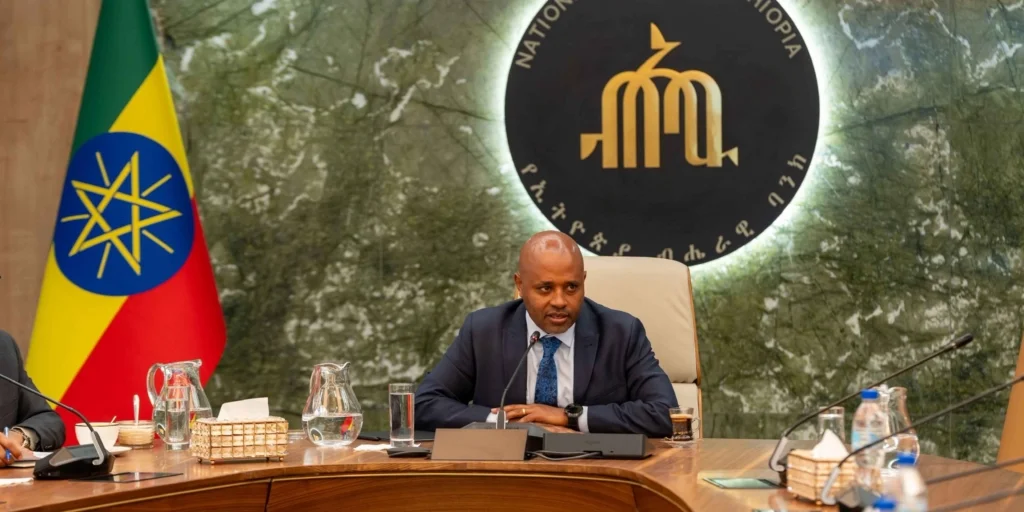
Ethiopia’s banking reforms drive profit growth, cautious foreign entry, and investor interest, reshaping the financial sector 2024–2026.
Ethiopia Banking Transformation Captures Global Eyes
Ethiopia’s banking sector is undergoing a historic overhaul as deregulation and modern risk management practices unlock growth while cautiously opening the market to foreign investors. Analysts see this as a litmus test of Ethiopia’s ability to attract global capital without compromising domestic control.
Local Banks Lead Profit Surge
Domestic banks have posted strong results under the new regulatory framework. Wegagen Bank reported a 38 percent revenue increase and a 73 percent jump in pre-tax profit during the 2024/25 fiscal year, reflecting digital expansion and strategic lending. Abyssinia Bank’s total assets grew nearly 29 percent, with net profit surging over 90 percent, driven by stronger interest income and an expanding loan book.
These results underscore that deregulation is unlocking latent demand for financial services and expanding opportunities beyond traditional deposit and lending models toward corporate financing, infrastructure lending, and advisory services.
Regulatory Milestones Open Doors to Foreign Banks
On 25 June 2025, the National Bank of Ethiopia formally allowed foreign investors to apply for licenses to operate as subsidiaries, branches, or minority shareholders in local banks. This follows the passage of Banking Business Proclamation No. 1360/2025 by Parliament in December 2024, which created a legal pathway for foreign bank entry while capping foreign ownership to ensure domestic control.
Timeline: Key Banking Reform Milestones (2024–2026)
A visual representation of Ethiopia’s banking reform timeline highlights critical events, all clickable to source references:
Ethiopia Banking Reform Timeline
- Dec 2024 – Banking Proclamation Passed: Foreign bank entry approved
- Jan–Jun 2025 – Licensing Framework Established: Operational rules finalized
- 25 Jun 2025 – Sector Opens to Foreign Banks: Applications permitted
- Oct 2025 – Equity Investment Directive: Ownership caps clarified
- Nov 2025 – First Foreign Office Re-Licensed: Representative office approved
- 2026 (expected) – First Full Licenses Issued: Full foreign bank licenses
Foreign Ownership Rules and Investor Implications
Foreign ownership is capped at 49 percent per local bank, while strategic investors can acquire up to 40 percent under regulatory approval. Investments must be in approved foreign currencies, such as US dollars, euros, or pounds. (ecofinagency.com)
Investor Implication: These caps reduce uncertainty, offering predictability for structuring joint ventures or equity stakes while maintaining domestic control.
Regional Banks Test Ethiopian Waters
Major regional banks are exploring the market. KCB Group is evaluating partnerships, while Zenith Bank and Standard Bank monitor opportunities for trade finance and corporate services.
Investor Implication: Regional engagement signals confidence and may encourage European, Asian, and Gulf banks to participate in Ethiopia’s growing financial market.
Foreign Banks Hesitant Despite Green Light
Even after the legal opening on 25 June 2025, some international banks remain cautious. Concerns persist over exchange rate volatility, limited foreign currency liquidity, and residual policy uncertainty. Analysts note these factors temper enthusiasm despite regulatory clearance.
Why it matters: The gap between policy announcements and actual foreign bank entry could shape foreign direct investment flows and influence regional banking strategies.
Major African Banks Signal Intent
Nigeria’s Zenith Bank has publicly indicated interest in entering Ethiopia’s market. If joined by other African or Gulf banks, this would diversify the sector and signal confidence in liberalisation efforts. High-profile entries typically draw coverage from global financial media, attracting additional investor attention.
Bonus Trends and Investor Watchlist
- Trade finance partnerships: IFC trade finance facility with Zemen Bank boosts cross-border trade.
- World Bank-backed projects: Large-scale support modernizes supervision, recapitalizes banks, and strengthens regulations. (worldbank.org)
- Draft foreign ownership rules: Proposed directives limit foreign equity to 49 percent, preserving domestic control (nbe.gov.et).
Global Investors Monitor: Foreign entry timelines, capital flows into investment banking, currency stability, and macroeconomic indicators affecting credit and sovereign risk.
Structural Challenges Persist
Despite reforms, credit concentration remains high and rural underbanking persists. Forex volatility and inflation risk may impact lending conditions and investor assessments. (financeinafrica.com)
Investor Implication: Risk-aware strategies and partnerships remain critical. The reforms offer opportunity, but macroeconomic and structural risks must be factored into investment decisions.
Why This Reform Matters Globally
Ethiopia’s banking liberalisation is one of Africa’s most significant in decades. With domestic growth, foreign investor access, and clear regulatory guidance, it opens one of the last large underbanked African markets to international capital. Rising profits, regulatory clarity, and strategic partnerships offer a rare entry point into a high-potential market while mitigating systemic risks.
Central Banking & Monetary Policy
Kenya Budget Deficit 2026/27 Hits 5.3% GDP
Kenya faces mounting fiscal pressure as debt service costs and revenue underperformance strain public finances. Analysts warn that increased domestic borrowing could impact interest rates and private sector lending.
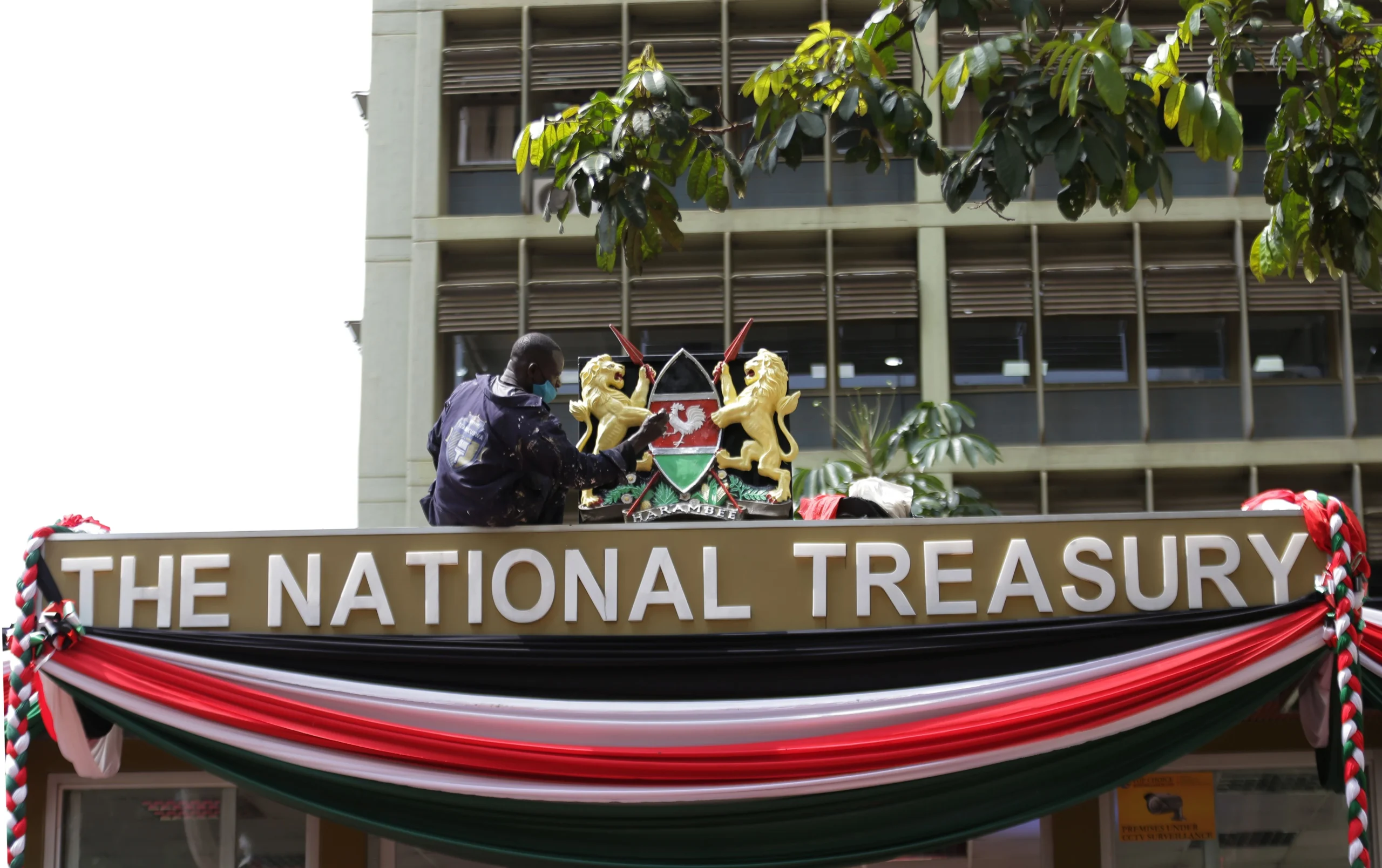
Kenya’s 2026/27 budget deficit widens to 5.3% of GDP amid revenue shortfalls, domestic borrowing, and rising public debt pressures.
Kenya’s Budget Deficit to Widen to 5.3% of GDP in 2026/27
Nairobi, Kenya — Kenya’s Finance Ministry projects that the budget deficit will widen to 5.3% of GDP in the 2026/27 fiscal year. This is higher than earlier forecasts. Officials say slow revenue growth and sustained spending have caused the gap.
The ministry will rely on domestic borrowing to finance most of the deficit. “We aim to fund the deficit responsibly while protecting the domestic market,” a Treasury statement said.
Revenue Shortfalls and Spending Pressures
The draft 2026/27 Budget Policy Statement shows total revenue at KSh 3.487 trillion, or about 16.7% of GDP. Revenue has underperformed because of slow economic growth, lower tax compliance, and weaker commodity prices.
The government plans total spending of KSh 4.642 trillion. This includes development projects, county transfers, and debt service. The resulting deficit will reach KSh 1.106 trillion.
To fill the gap, the Treasury will borrow KSh 1.01 trillion domestically and KSh 99.5 billion externally.
Domestic Borrowing Strategy
Officials say focusing on domestic borrowing will reduce reliance on foreign lenders. They also want to manage refinancing risks. Analysts warn that increased domestic borrowing may raise interest rates and crowd out private lending. “We must monitor the impact on businesses and households,” said a Nairobi-based economist.
Fiscal Challenges
Kenya has faced repeated revenue shortfalls. Weak tax compliance, underperforming state-owned enterprises, and slower economic growth contributed to the gap. The government is introducing reforms to expand the tax base, improve collections, and prevent leakages. “Revenue reforms will secure fiscal sustainability,” Treasury officials said.
Debt service remains a major challenge. Kenya’s public debt now exceeds KSh 7 trillion, with domestic debt taking the largest share. Interest payments consume a large portion of revenue, limiting funding for development.
Economic Outlook
Officials expect the deficit may narrow if reforms succeed and economic growth strengthens. Growth in agriculture, manufacturing, and tourism could improve revenue collection.
However, uncertainties persist. Global market volatility, climate shocks, and fluctuating commodity prices could affect revenue. Analysts urge the government to balance fiscal discipline with growth-promoting investments. “We must invest in key sectors while maintaining fiscal stability,” said a policy expert.
Parliamentary Approval
The government must submit the final budget to Parliament before July 2026. Lawmakers are expected to examine domestic borrowing plans closely. They will focus on ensuring borrowing does not restrict private sector credit or raise inflation.
Conclusion
Kenya faces a critical fiscal year. The widening deficit highlights the need for disciplined spending and stronger revenue collection. Officials say careful implementation of reforms could stabilise finances while funding essential services and development projects.


Stanbic Women Finance Surge in Kenya

Stanbic Bank East Africa’s AI Risk Transformation

Joe Sang: Inside Kenya’s Fuel System Breakdown


-

 Economy & Policy7 days ago
Rwanda Tops 2026 Investment Attractiveness Index
-

 Commercial Banking6 days ago
Kenya Banks Competitive Growth Insights 2026
-

 Commercial Banking3 days ago
Standard Bank Growth Plan Faces Africa Risks
-

 Top Banks6 days ago
Top 10 Capitalized Banks in East Africa 2025
-

 Boardroom Leadership5 days ago
East Africa Women CEOs 2025 Rankings
-

 Entrepreneur5 days ago
East Africa’s Richest 2025: Top 10 Revealed
-
 Commercial Banking7 days ago
Standard Bank Ethiopia: Measured Entry Strategy
-

 Insurance6 days ago
Top 10 Capitalized Insurers in East Africa 2025