AfCFTA & Regional Trade
COMESA merger rule jolts African dealmaking
COMESA tightens merger oversight across Africa. The Common Market for Eastern and Southern Africa now requires mandatory alerts for deals above KSh8 billion ($62 million), signaling increased scrutiny for cross-border transactions.

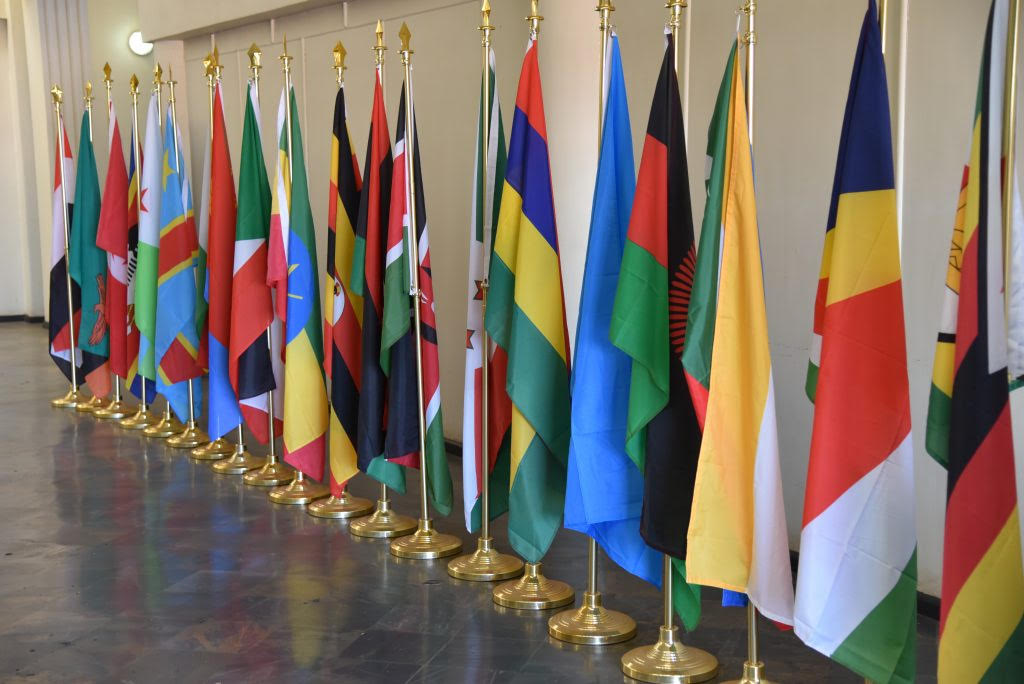
COMESA merger rules 2026 tighten cross-border M&A, raising compliance costs, extending timelines, and reshaping investor strategy.
The Common Market for Eastern and Southern Africa (COMESA) has introduced mandatory alerts for mergers above KSh8 billion ($62 million), tightening scrutiny and reshaping cross-border dealmaking across its 21 member states.
The COMESA Competition Commission now requires companies to notify regulators before completing large transactions, signaling a decisive shift toward earlier oversight in East and Southern Africa.
Why COMESA Merger Rules Matter for Investors
As a result, investors, banks, and private equity firms now face longer deal timelines and higher compliance costs. In addition, early notification increases valuation risk, especially in a high-interest-rate environment.
Moreover, this shift mirrors mature regulatory systems such as the European Union, where authorities engage early to prevent post-merger disputes. Consequently, dealmakers must now integrate regulatory planning at the earliest stages of transactions.
With COMESA’s combined GDP exceeding $1 trillion and a population of over 560 million, even mid-sized deals can trigger regional oversight. Therefore, early engagement is becoming essential for deal certainty.
Rising Regulatory Oversight Across 21 Markets
COMESA, which includes key economies such as Kenya, Egypt, Zambia, and the Democratic Republic of Congo, continues to expand its influence over regional transactions. Since 2013, the commission has reviewed more than 300 cross-border mergers, particularly in banking, telecommunications, energy, and consumer goods.
Furthermore, regulators now assess transactions based on total deal value rather than revenue generated within member states. While companies do not pay fees for alerts, the process extends timelines and increases procedural complexity.
Financing Costs and Deal Structuring Pressures
At the same time, longer regulatory reviews are affecting deal financing. Bankers report that extended timelines increase borrowing costs and expose transactions to shifting valuations.
Additionally, the commission charges merger filing fees of up to 0.1% of transaction value, capped at $500,000. As a result, firms must carefully structure deals to manage both regulatory and financial risks.
In Kenya, a regional financial hub, companies are already adjusting. Nairobi-based firms frequently exceed the KSh8 billion threshold, forcing them to coordinate with both national and regional regulators from the outset.
Policy Shift Toward Early Engagement
From a policy perspective, COMESA argues that early alerts will strengthen competition enforcement. Previously, delayed notifications weakened regulatory oversight and allowed problematic deals to proceed unchecked.
Similarly, the United Nations Conference on Trade and Development has emphasized that regulatory clarity plays a critical role in attracting investment. Africa recorded about $53 billion in foreign direct investment in 2023, with regional frameworks increasingly shaping investor decisions.
Research also supports this approach. Studies show that early regulatory engagement reduces the likelihood of disruptive post-merger remedies.
Investor Concerns Over Overreach and Uncertainty
However, some investors remain cautious. They warn that the alert system could evolve into informal pre-approval, raising concerns about confidentiality and institutional consistency.
In particular, market participants fear that unclear processes could deter capital flows. If investors perceive COMESA as unpredictable, they may redirect capital to more stable jurisdictions.
Nevertheless, the commission maintains that the alert mechanism is non-binding and aims to streamline, not block, transactions.
Outlook: Competition Strategy Starts Earlier
Looking ahead, regional oversight is expected to intensify as Africa deepens integration under the African Continental Free Trade Area. Cross-border trade and investment will likely accelerate, bringing more deals under scrutiny.
For investors and dealmakers, the message is clear: competition strategy must begin at the term-sheet stage. Ignoring regulators early is no longer just a compliance issue—it is a direct threat to deal value.
COMESA Merger Alerts: Economic Impact Data Chart
| Metric | Value | Source |
|---|---|---|
| Number of member states | 21 | COMESA Secretariat |
| Total population | 560+ million | COMESA Secretariat |
| Combined GDP | $1 trillion+ | COMESA Secretariat |
| Cross-border mergers reviewed | 300+ | CCC Annual Reports |
| Threshold for mandatory alert | KSh8B (~$62M) | COMESA Competition Regulations |
| CCC merger filing fee | 0.1% of transaction value, max $500k | CCC Regulations |
| FDI inflow to Africa (2023) | $53B | UNCTAD World Investment Report |
| Key affected sectors | Banking, Telecom, Cement, Energy, FMCG | CCC Reports |



Stanbic Women Finance Surge in Kenya

Stanbic Bank East Africa’s AI Risk Transformation

Joe Sang: Inside Kenya’s Fuel System Breakdown


-

 Economy & Policy7 days ago
Rwanda Tops 2026 Investment Attractiveness Index
-

 Commercial Banking6 days ago
Kenya Banks Competitive Growth Insights 2026
-

 Commercial Banking3 days ago
Standard Bank Growth Plan Faces Africa Risks
-

 Top Banks6 days ago
Top 10 Capitalized Banks in East Africa 2025
-

 Boardroom Leadership5 days ago
East Africa Women CEOs 2025 Rankings
-

 Entrepreneur5 days ago
East Africa’s Richest 2025: Top 10 Revealed
-

 Commercial Banking7 days ago
Standard Bank Ethiopia: Measured Entry Strategy
-

 Insurance6 days ago
Top 10 Capitalized Insurers in East Africa 2025